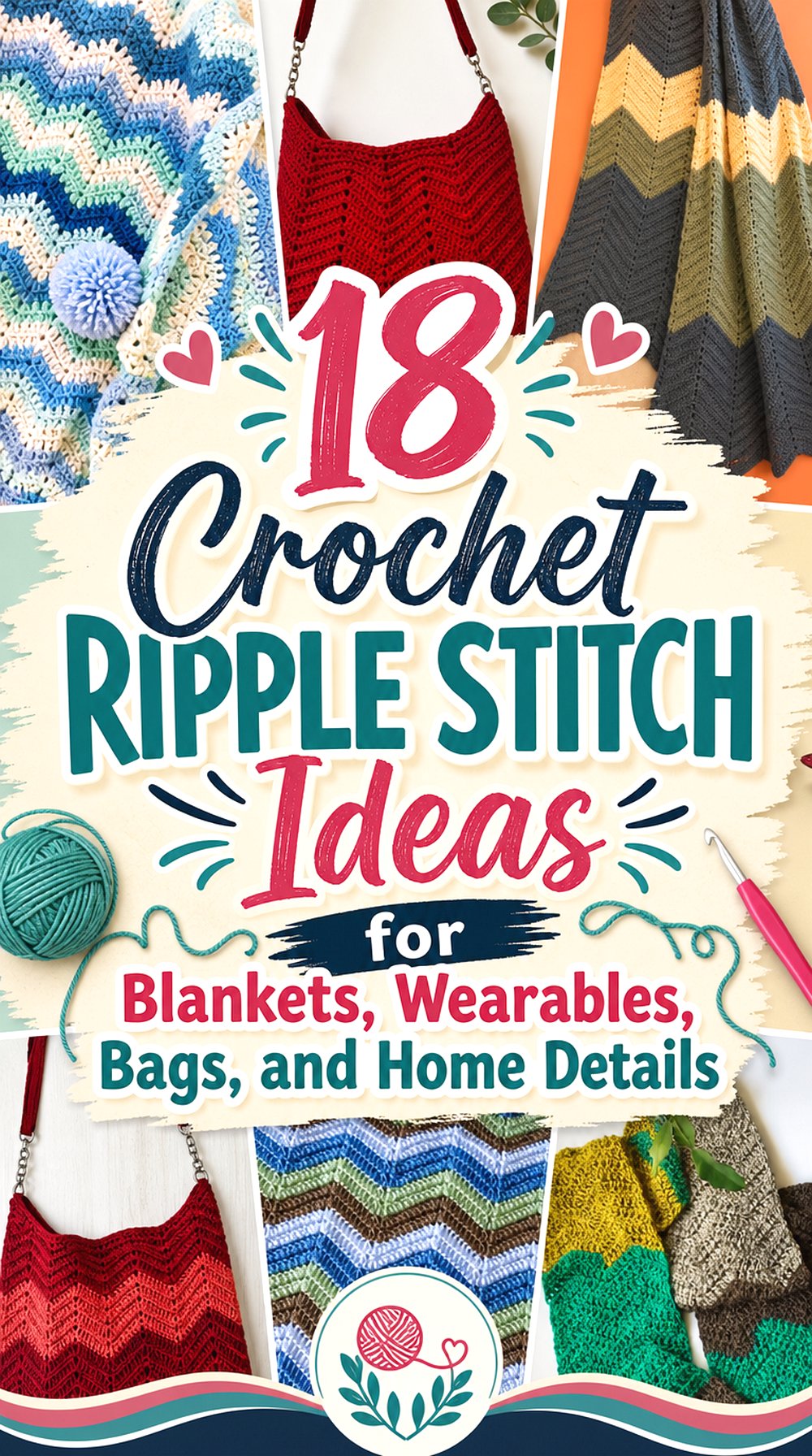

Ripple stitch crochet can move in many directions. Some projects use soft waves across a blanket, while others turn the same zigzag rhythm into scarves, bags, table pieces, or wearable shapes. This list keeps the focus on finished project ideas rather than repeating one blanket style eighteen times.
You will find large home projects, smaller practice-friendly pieces, accessories, and garment ideas that use ripple, chevron, wave, or zigzag shaping in different ways. Use the collection to compare scale, color placement, edge shape, and how much the ripple texture affects the final use.
Quick List
- Crochet Chunky Ripple Stitch Throw Blanket
- Crochet Baby Ripple Blanket with Open Rows
- Crochet Fall Stripe Ripple Throw
- Crochet Simple Ripple Blanket for Everyday Use
- Crochet Half Double Chevron Baby Blanket
- Crochet Classic Zig Zag Blanket
- Crochet Ripple Stitch Scarf
- Crochet One-Row Chevron Scarf
- Crochet Gentle Waves Ripple Poncho
- Crochet Chevron Crop Top
- Crochet Chevron Skirt
- Crochet Ribbed Chevron Headband
- Crochet Granny Chevron Cowl
- Crochet Ripple Dishcloth
- Crochet Chevron Table Runner
- Crochet Chevron Stripe Mug Rug
- Crochet Chevron Pillow Cover
- Crochet Chevron Purse
How to Compare Ripple Stitch Projects Before You Pick One
Ripple stitch projects can look similar in a small photo, but the finished use changes a lot with scale. A full throw needs steady edge control because the peaks and valleys run across a large surface. A scarf or cowl puts the ripple closer to the body, so drape and width matter more. Bags, pillows, and table pieces need a cleaner final shape because uneven edges are more noticeable on functional items.
Color placement is another big decision. Wide stripes make the ripple shape bold, while softer color changes can make the waves feel calmer. Before choosing a project, look for the finished view, note whether the edges are shown clearly, and confirm any size, fit, or material details that matter for how you plan to use it.
1. Crochet Chunky Ripple Stitch Throw Blanket
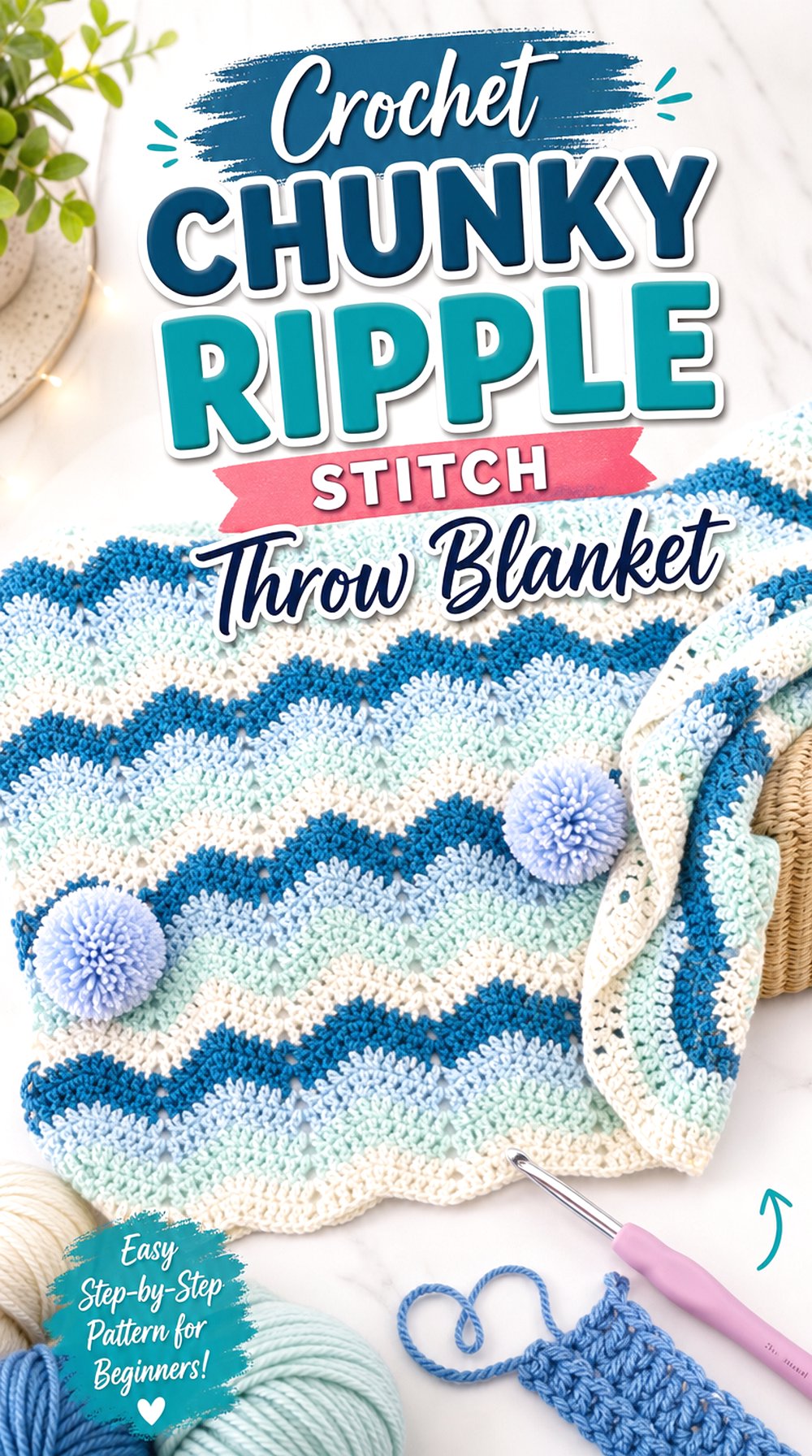
A chunky ripple throw gives the wave stitch a bold, cozy look. The wider yarn makes the peaks and valleys more visible, so this option suits readers who want the ripple shape to be the main feature rather than a subtle background texture. It also works well as a living room blanket idea because the stripe movement can stand out even when the throw is folded.
This choice is different from the smaller baby blankets in the list because it feels more like a statement home piece. The finished result appears soft and substantial, so color planning becomes a major part of the overall look.
The Ripple Shape Carries the Whole Design
On a larger throw, the ripple line is not just a stitch detail. It becomes the main visual structure of the blanket. Readers should look closely at how sharp or gentle the wave appears in the finished sample before choosing colors. High contrast stripes will make every peak more noticeable, while closer shades will make the blanket feel calmer.
Stripe Planning Matters More on a Throw
A full throw gives repeated color bands more room to develop. That can be useful if the goal is a bold striped blanket, but it also means uneven color choices may feel busy. Before buying yarn, readers may want to decide whether they want strong stripe blocks, a soft gradient, or a more limited palette that lets the ripple texture do most of the work.
Confirm the Size Before Using It as a Bed Blanket
The same ripple idea can be adapted for different blanket uses, but the source information should guide the final plan. Anyone hoping to make this for a bed, sofa, or oversized throw should confirm the size guidance and material list before starting. A ripple blanket can grow wide quickly, so size planning affects both yarn quantity and the final weight.
Creator: Treasurie
2. Crochet Baby Ripple Blanket with Open Rows
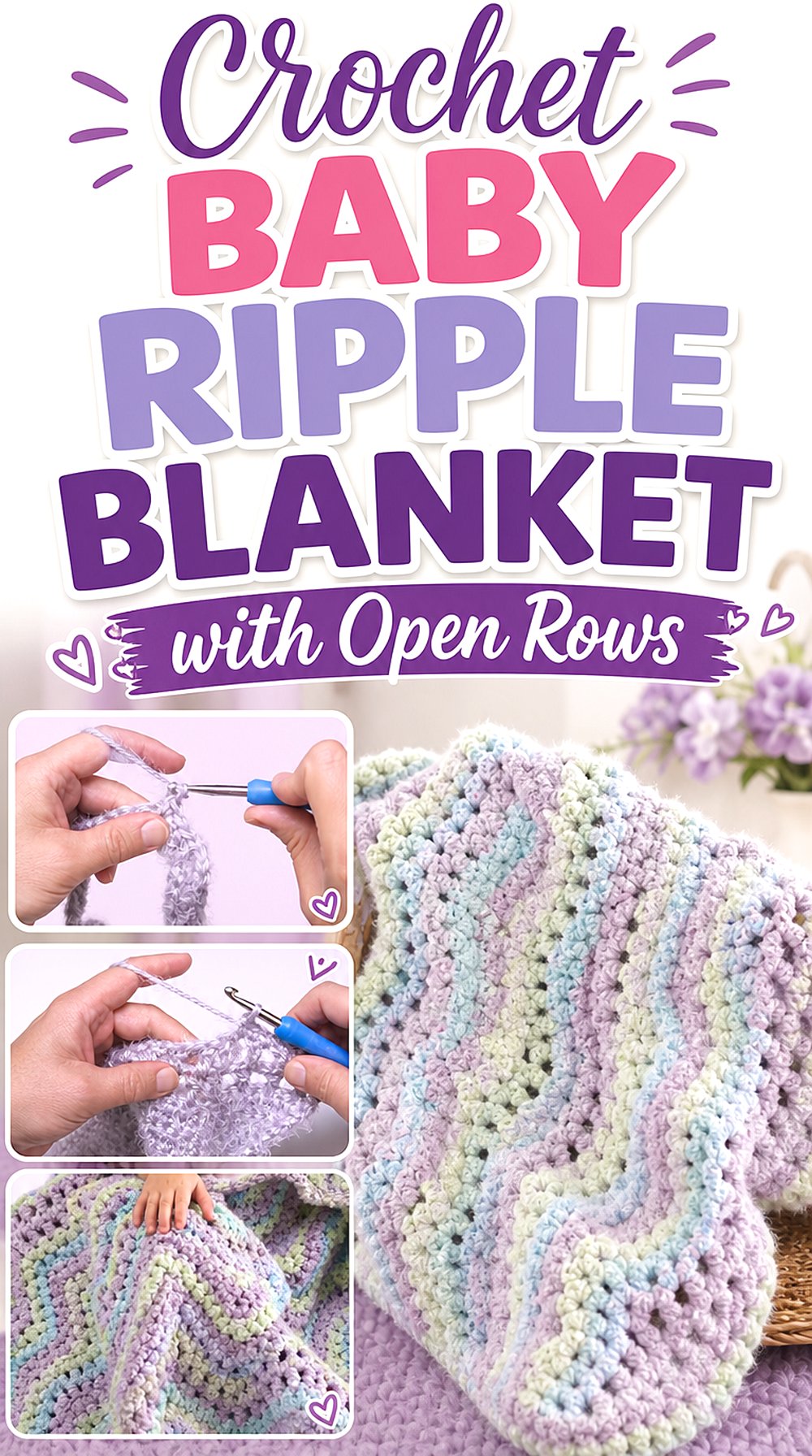
This baby ripple blanket uses a gentler wave effect with open rows as part of the finished design. The result feels lighter than a dense solid ripple throw, and the repeated movement gives the blanket a soft nursery-style appearance. It is a good option to consider when the ripple shape should be visible without feeling heavy.
The open-row detail is what separates this project from the chunkier blankets in the list. Readers should notice how the ripple and open sections work together, especially if they are choosing colors for a baby gift or a softer room palette.
Open Rows Change the Look and Feel
Open rows can make a ripple blanket appear airier than a fully solid version. That matters for the finished style, especially when the blanket is meant to look delicate. Readers should use the original source to understand how the open areas are placed and should avoid assuming the fabric will behave like a dense blanket.
A Softer Palette Supports the Wave Detail
Baby blankets often rely on softer color choices, and this ripple design can handle that well because the shape creates movement even without strong contrast. Gentle shades may keep the blanket calm, while brighter stripes will make it more playful. The best choice depends on whether the finished blanket is meant to be quiet, colorful, or clearly striped.
Finished Dimensions Are Worth Checking
Baby blankets need practical size planning. Before choosing this project, readers should confirm the finished measurements and the recommended supplies from the original source. That helps avoid making a blanket that is too small for the intended use or much larger than expectedCreator: Yarnspirations
3. Crochet Fall Stripe Ripple Throw
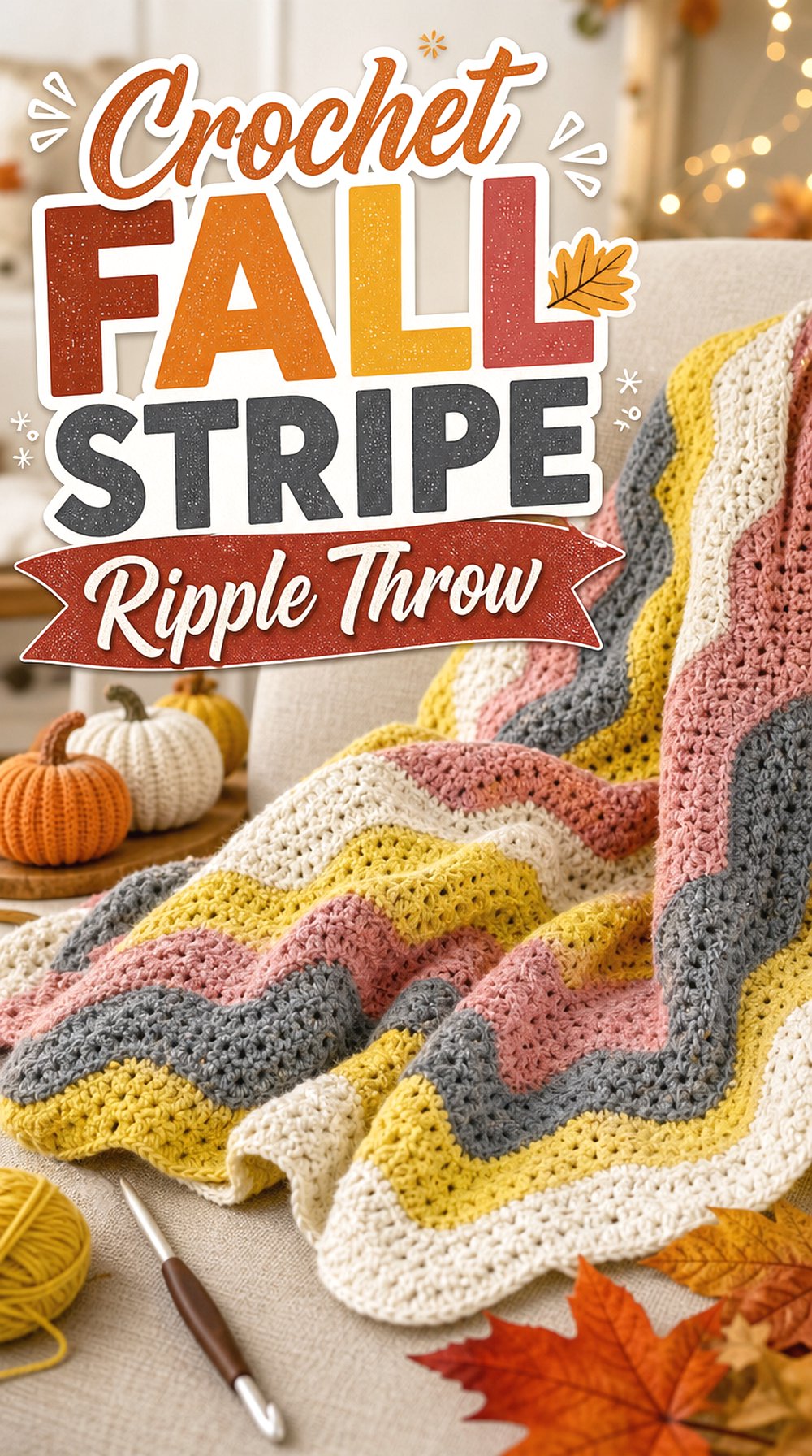
This ripple throw has a clear striped blanket look, making it a strong choice for readers who like color bands across a classic wave shape. The project works especially well as a seasonal home accent because the ripple lines create movement without needing extra motifs or appliqués.
Compared with the chunky ripple throw, this version feels more focused on stripe rhythm and blanket layout. The finished appearance depends heavily on how the colors repeat, so it suits someone who wants to plan a palette carefully and use the ripple stitch as the main decorative element.
The Stripe Order Sets the Mood
For this kind of ripple throw, the color order can change the entire feel of the blanket. Warm tones may create a fall look, while neutrals or blues could move it toward a different season. Readers should decide the color direction before starting so the ripple waves look intentional instead of randomly placed.
Watch the Edges as the Blanket Grows
Ripple blankets can show edge changes quickly because the peaks and valleys repeat across every row. A finished throw looks cleaner when the sides stay controlled and the wave shape remains consistent. Readers should compare the developing shape with the finished view in the tutorial and slow down around any section where the edge line starts to shift.
Good for a Sofa-Scale Project
A ripple throw is useful when the goal is a display blanket that can still be used. It can sit folded over a couch, chair, or blanket ladder while still showing the zigzag pattern. Anyone planning it for daily use should confirm the finished size and yarn details in the original source before committing to the full project.
Creator: Melanie Ham
4. Crochet Simple Ripple Blanket for Everyday Use
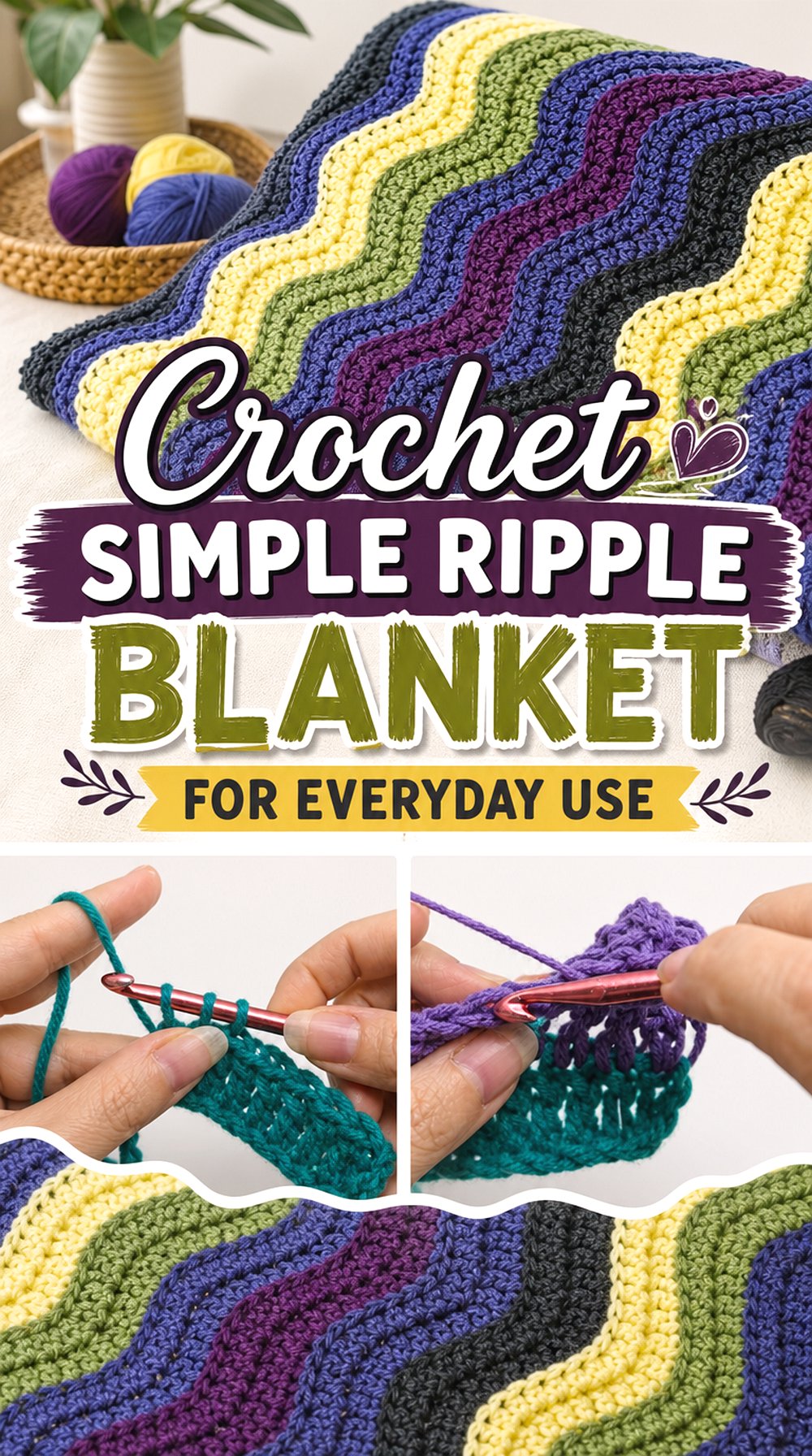
This ripple blanket keeps the focus on the familiar back-and-forth wave structure. It is a useful pick for readers who want a straightforward ripple blanket idea without extra shaping, garment fit, or small accessory details. The finished result is a classic throw style that can work in many color directions.
This project differs from the baby blanket and seasonal throw because it feels more like a general-purpose ripple blanket. It is the kind of option to compare when the main goal is a recognizable zigzag blanket with enough room for personal color planning.
A Classic Shape Leaves Room for Color Choices
A simple ripple blanket does not need complicated surface details to look complete. The repeated wave is enough to carry the project, which means readers can make the color plan the main design choice. Before starting, it helps to decide whether the blanket should look bold, soft, striped, or more blended.
Use the Finished View to Judge the Wave Height
Ripple blankets can have gentle waves or deeper chevrons. The finished view is important because it shows how dramatic the peaks and valleys appear at full blanket scale. Readers who prefer a calmer look may want softer color contrast, while those who want a stronger zigzag can choose colors that separate each band more clearly.
Make Sure the Tutorial Format Fits Your Style
Some crocheters prefer a written pattern alongside a video, while others are comfortable following a visual tutorial. Before beginning a large blanket, readers should check what supporting information is available. A full blanket takes enough time that the teaching format should feel easy to follow from start to finish.
Creator: Bag-O-Day Crochet
5. Crochet Half Double Chevron Baby Blanket
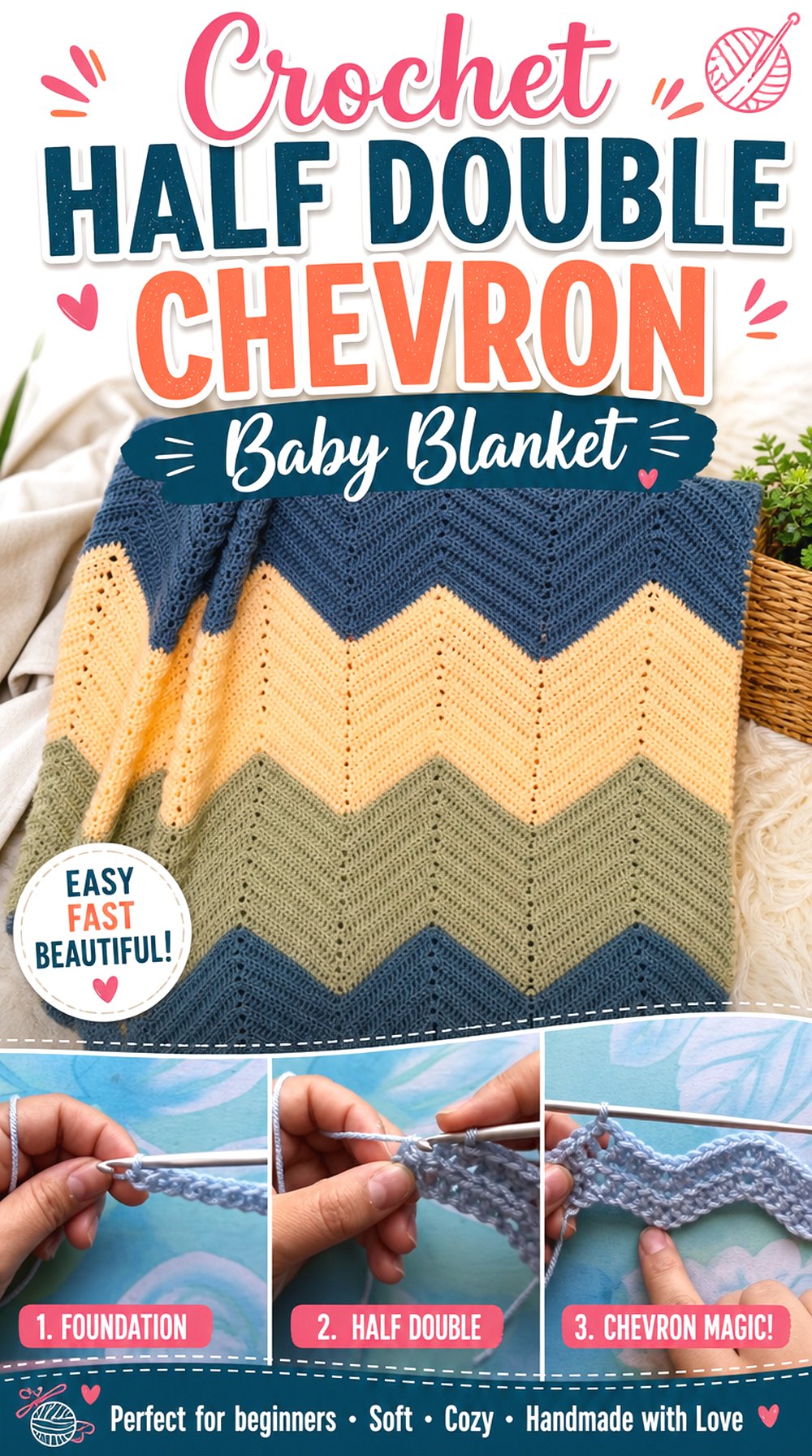
This chevron baby blanket uses a strong zigzag layout with a softer baby-blanket scale. The finished piece shows how a ripple-style stitch can feel neat and graphic without becoming oversized. It is a useful option for readers who want a small blanket project where the chevron points are easy to see.
The project stands apart from the open-row baby blanket because it has a more solid, stripe-forward look. It may suit someone who wants the ripple design to feel cheerful and clear rather than delicate or lacy.
The Chevron Points Give a Cleaner Graphic Look
A chevron baby blanket has a slightly sharper visual rhythm than a loose wave blanket. That makes it a good choice when the finished blanket should show a clear zigzag from across the room. Readers should look at how the points line up in the finished sample and choose colors that support that crisp movement.
Baby Blanket Scale Affects Color Repeats
A smaller blanket gives less room for long color sequences, so each stripe decision becomes more noticeable. Readers may want to keep the palette limited or repeat colors in a predictable order. That helps the chevron shape stay clear instead of looking crowded.
Confirm the Final Size for Gifting
Baby blankets can be used in different ways, from stroller blankets to nursery layers, so size matters. Readers should confirm the finished dimensions in the original source before choosing it for a specific gift. If size information is not enough for the intended use, the maker should review the tutorial carefully before buying supplies.
Creator: Nya crochet
6. Crochet Classic Zig Zag Blanket
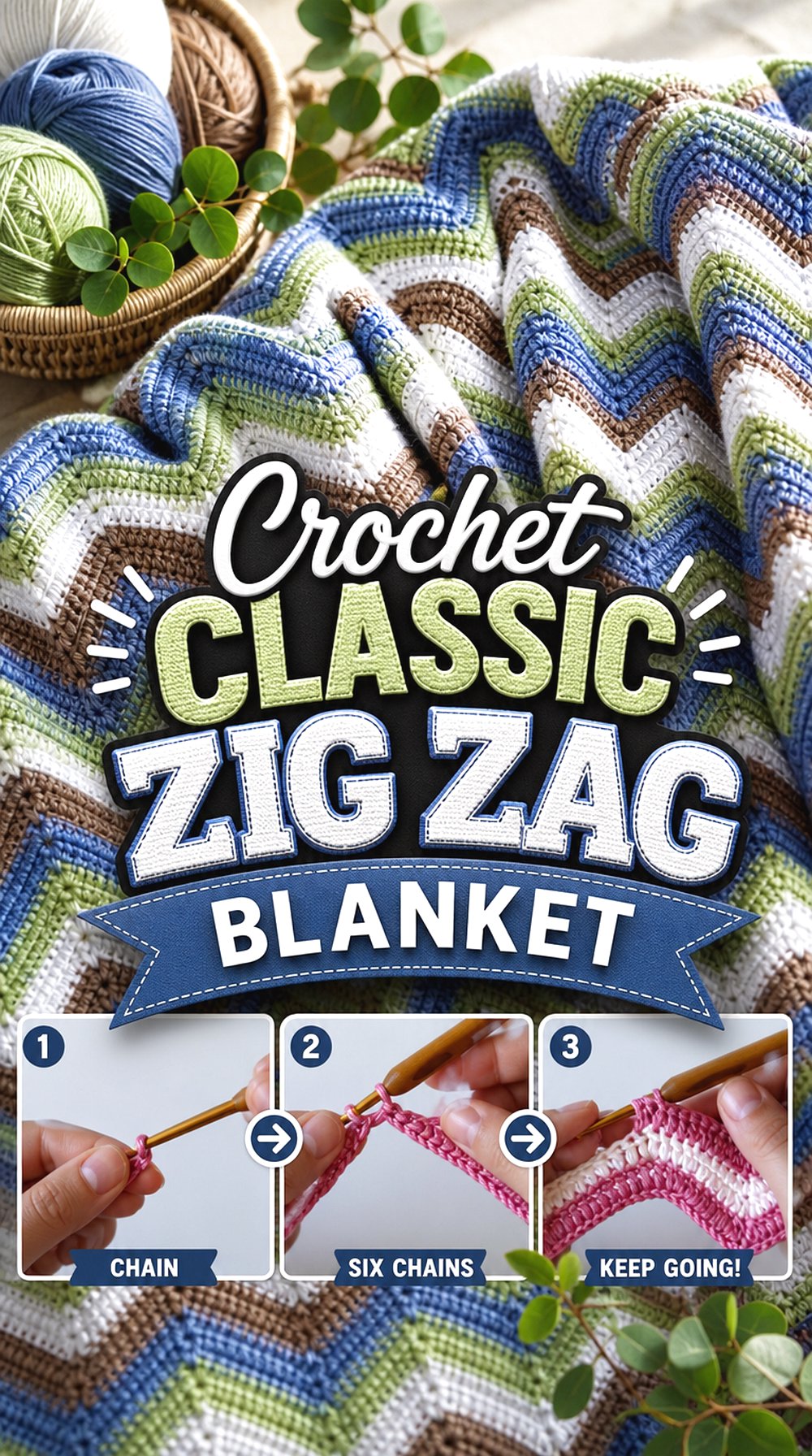
This zig zag blanket has a traditional ripple-family look with a strong repeated pattern across the full width. The project is especially useful for readers who want to see a clear blanket structure from the beginning rather than a stitch used on a smaller accessory.
Unlike the other blanket options, this tutorial is presented in Spanish, which may be helpful for Spanish-speaking readers or visual learners who can follow the demonstrated shaping. Readers who need English-only instruction should preview the tutorial first and decide whether the visual guidance is enough.
A Language Check Helps Before Starting
Because the tutorial is in Spanish, readers should decide whether the format works for them before gathering supplies. Some crocheters can follow visual demonstrations comfortably, while others need verbal instruction in their preferred language. A full blanket is a larger commitment, so it is worth previewing several sections first.
The Zig Zag Layout Is the Main Feature
This project is all about the repeated peaks and valleys. It can work with strong stripes, softer tonal changes, or a simple two-color plan. Readers should choose a color style that makes the zig zag easy to read, especially if the blanket is meant to be displayed folded over furniture.
Use It as a Classic Blanket Reference
A traditional zig zag blanket can help readers understand how ripple shaping behaves on a larger surface. Even if they later choose a different color plan, the finished view gives a useful reference for edge shape, width, and the overall rhythm of the pattern.
Creator: Lanas y ovillos
7. Crochet Ripple Stitch Scarf
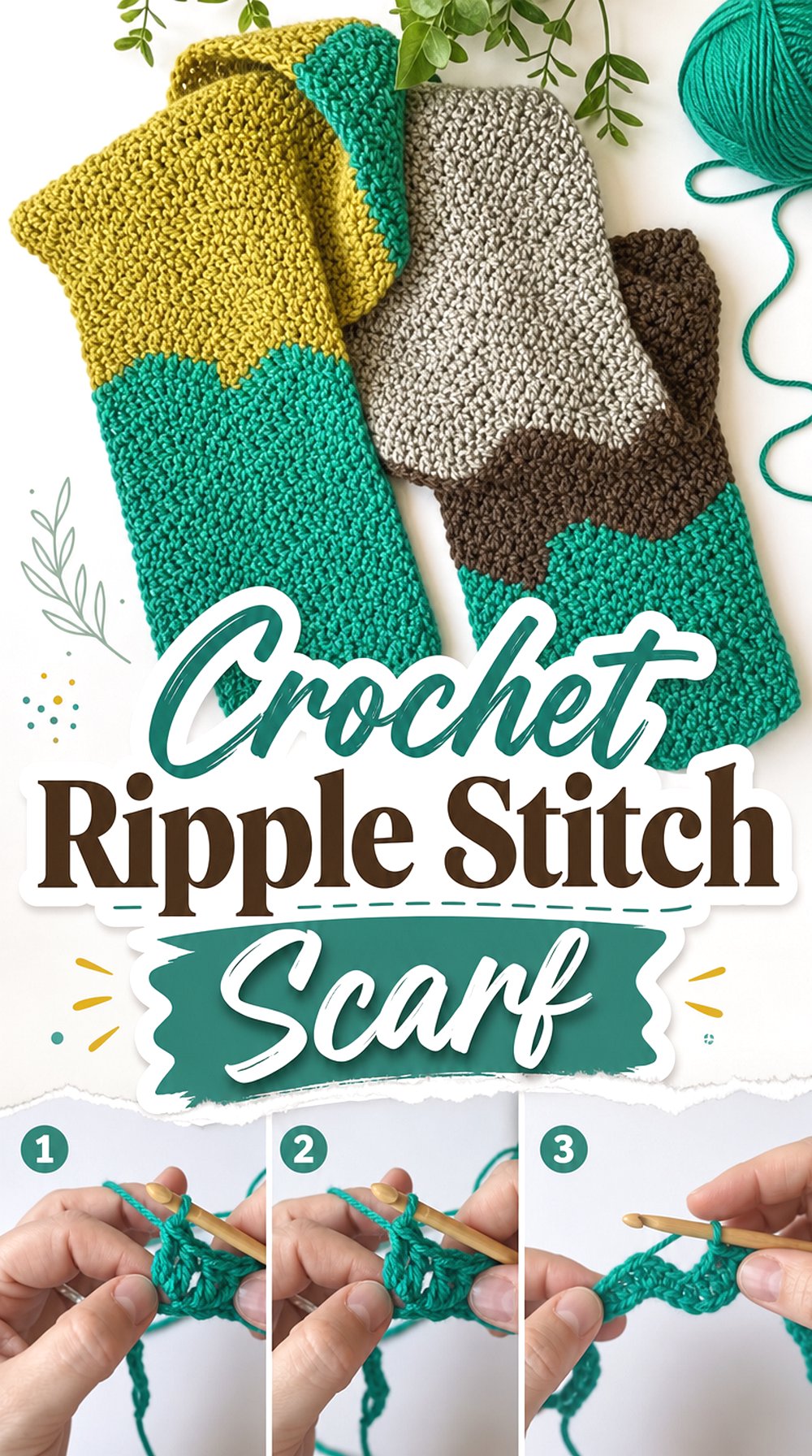
A ripple stitch scarf turns the wave pattern into a wearable accessory instead of a home project. The long narrow shape lets the ripple travel down the scarf, creating movement without needing fringe, motifs, or extra decoration. It is a practical project idea for readers who like the ripple look but do not want to commit to a full blanket.
This scarf differs from the chevron scarf later in the list because it feels more like a direct ripple-stitch accessory. Width, drape, and yarn choice matter because the finished piece will sit close to the neck and shoulders.
Scarf Width Changes the Ripple Effect
A narrow scarf may show only a few waves across the width, while a wider one gives the stitch more space to move. Readers should look at the finished scarf shape before starting and decide whether they want a slim accessory or a more noticeable wrap-like width.
Drape Matters More Than Thickness
Unlike a blanket, a scarf needs to move comfortably when worn. The ripple texture should not make the piece feel stiff or bulky around the neck. Readers should confirm the recommended yarn and hook details in the original tutorial, then think about whether the finished drape matches how they like to wear scarves.
A Good Place to Practice Edge Control
Because scarves are long and narrow, the edges stay visible. This makes the project useful for practicing consistent ripple shaping without managing the size of a blanket. Readers should pause occasionally and compare both long edges so the finished scarf does not slowly widen or narrow.
Creator: The Twisting Twine
8. Crochet One Row Chevron Scarf
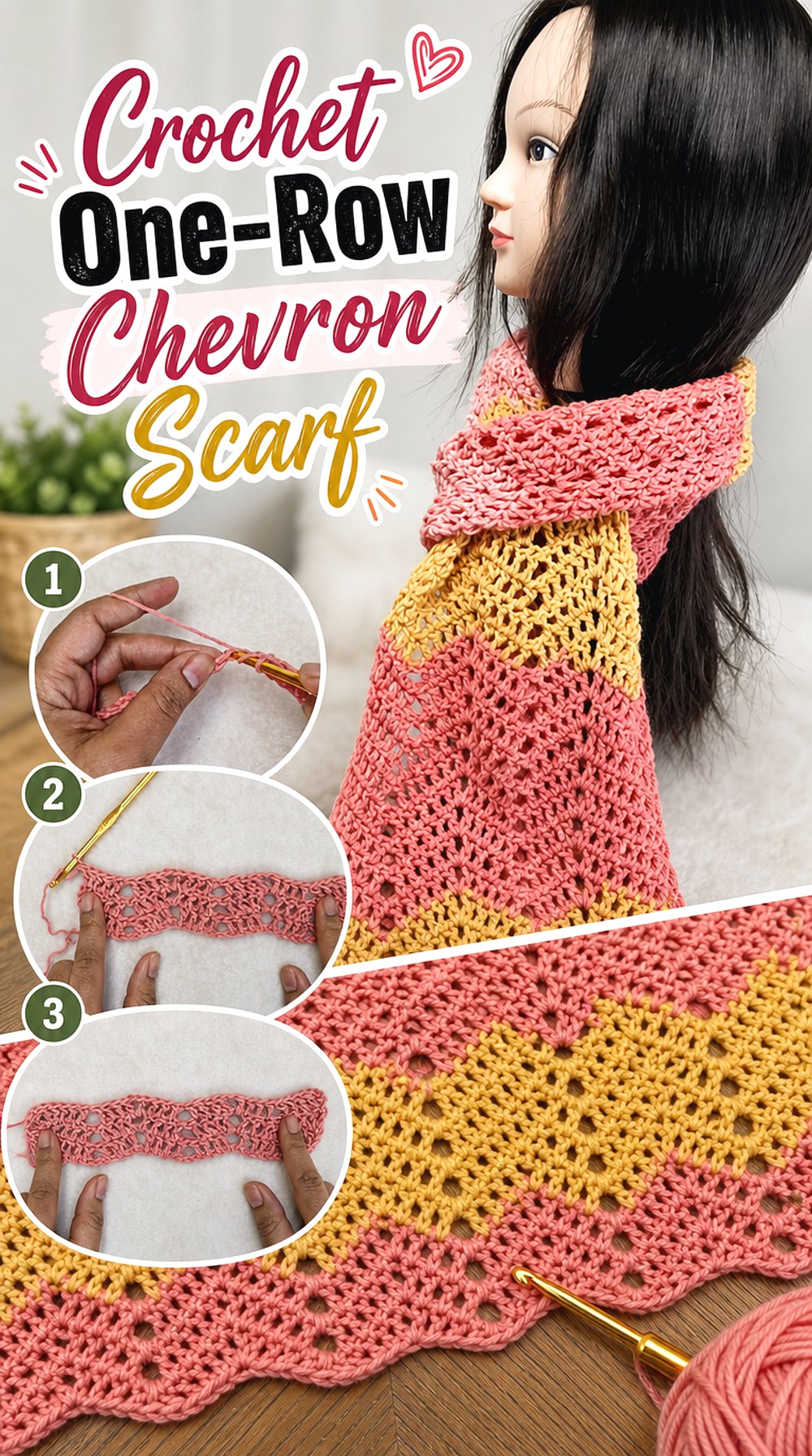
This chevron scarf has a clean repeated zigzag style and is presented as a one-row repeat project. That makes the finished design feel rhythmic and easy to read visually, with the chevron movement running along the scarf. It is a good alternative to a blanket when the reader wants a wearable ripple-family piece.
Compared with the ripple stitch scarf above, this one leans more into a defined chevron look. The finished result depends on length, width, and color choice, so it is worth checking the final scarf view before deciding how bold the stripes should be.
The Repeat Gives the Scarf a Steady Rhythm
A one-row repeat can make a scarf feel consistent from end to end. The main reader decision is not the construction sequence, but whether the finished rhythm suits the intended style. Softer colors can make it understated, while stronger contrast can turn the chevron line into the main feature.
Length Should Match How It Will Be Worn
Scarf length affects whether it can be wrapped, draped, or worn loosely. Readers should confirm the finished length or check the source guidance before assuming it will work for a specific styling preference. A ripple or chevron edge can look especially nice when the ends hang evenly.
Choose Colors That Do Not Hide the Zigzag
The chevron shape can disappear if the yarn color shifts too subtly or if the texture is very busy. Readers who want the zigzag to show clearly may prefer a cleaner color plan. If using variegated yarn, it helps to preview whether the color changes compete with the ripple movement.
Creator: DIY Danni
9. Crochet Gentle Waves Ripple Poncho
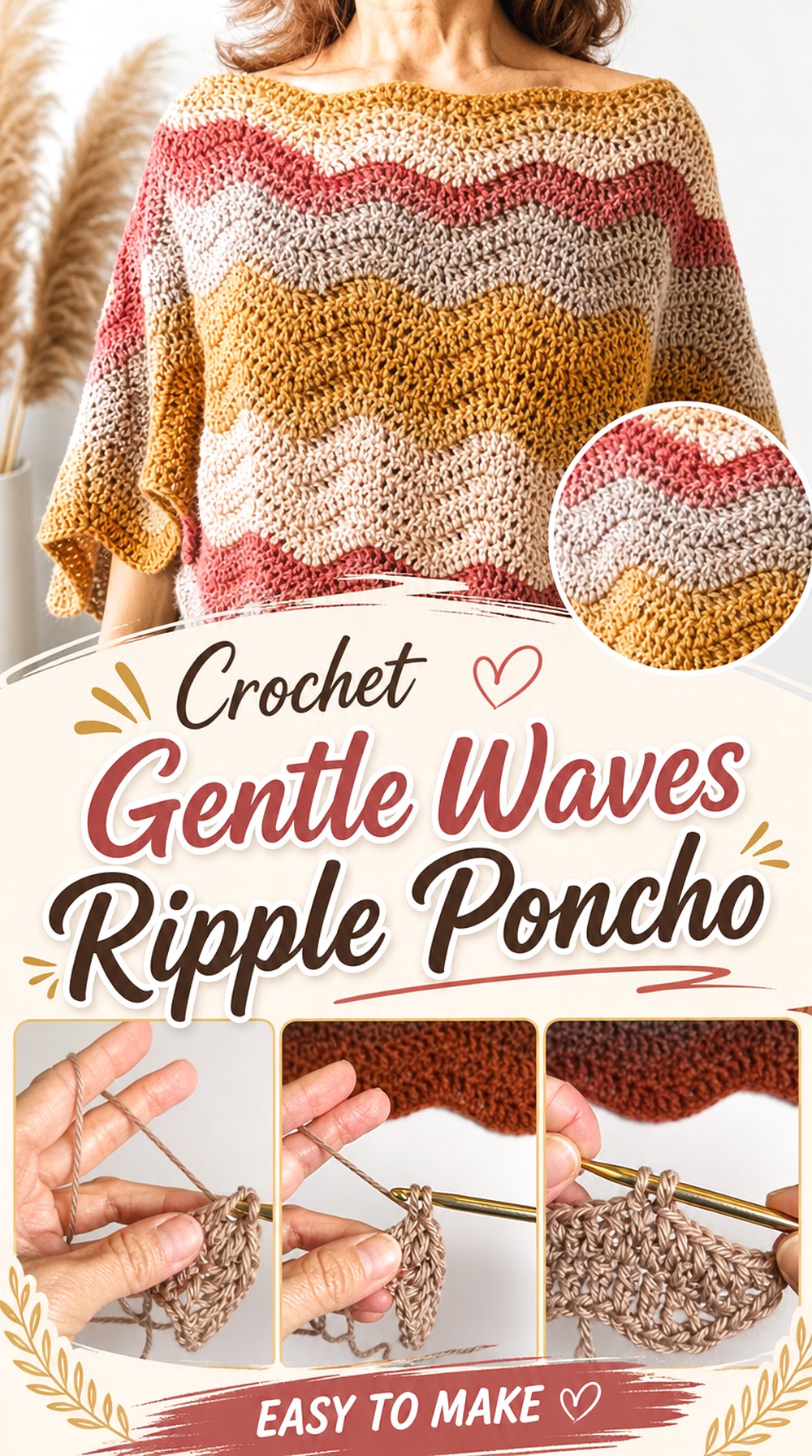
A ripple stitch poncho uses the wave pattern as part of the garment shape, not just as a flat rectangle. The finished look has soft horizontal movement and a relaxed layered style. It is a strong choice for readers who want ripple stitch in a wearable project with more coverage than a scarf.
This project stands apart from the crop top and skirt because it is less fitted. The main decisions are size, drape, neckline comfort, and how the wave lines sit across the body. The finished garment should be reviewed from more than one angle before starting.
Drape Controls the Wearable Shape
A poncho needs enough movement to sit comfortably over clothing. If the fabric is too firm, the ripple lines may look stiff instead of flowing. Readers should use the creator’s material information and finished view to judge whether the project has the kind of drape they want for layering.
Neckline and Shoulder Placement Need Attention
The ripple stitch may be the main visual feature, but the neckline controls how wearable the poncho feels. Readers should look closely at the top opening and shoulder area in the finished view. A poncho can look beautiful flat, but it still needs to sit comfortably when worn.
Color Changes Affect the Body Line
Horizontal ripple lines can draw attention across the body, especially when the colors shift strongly. Readers who want a softer look may prefer related colors, while bolder stripes will make the waves more visible. The best choice depends on whether the poncho is meant to be a statement piece or a quieter layer.
Horizontal ripple lines can draw attention across the body, especially when the colors shift strongly. Readers who want a softer look may prefer related colors, while bolder stripes will make the waves more visible. The best choice depends on whether the poncho is meant to be a statement piece or a quieter layer.
Creator: Crazy Cool Crochet
10. Crochet Chevron Crop Top
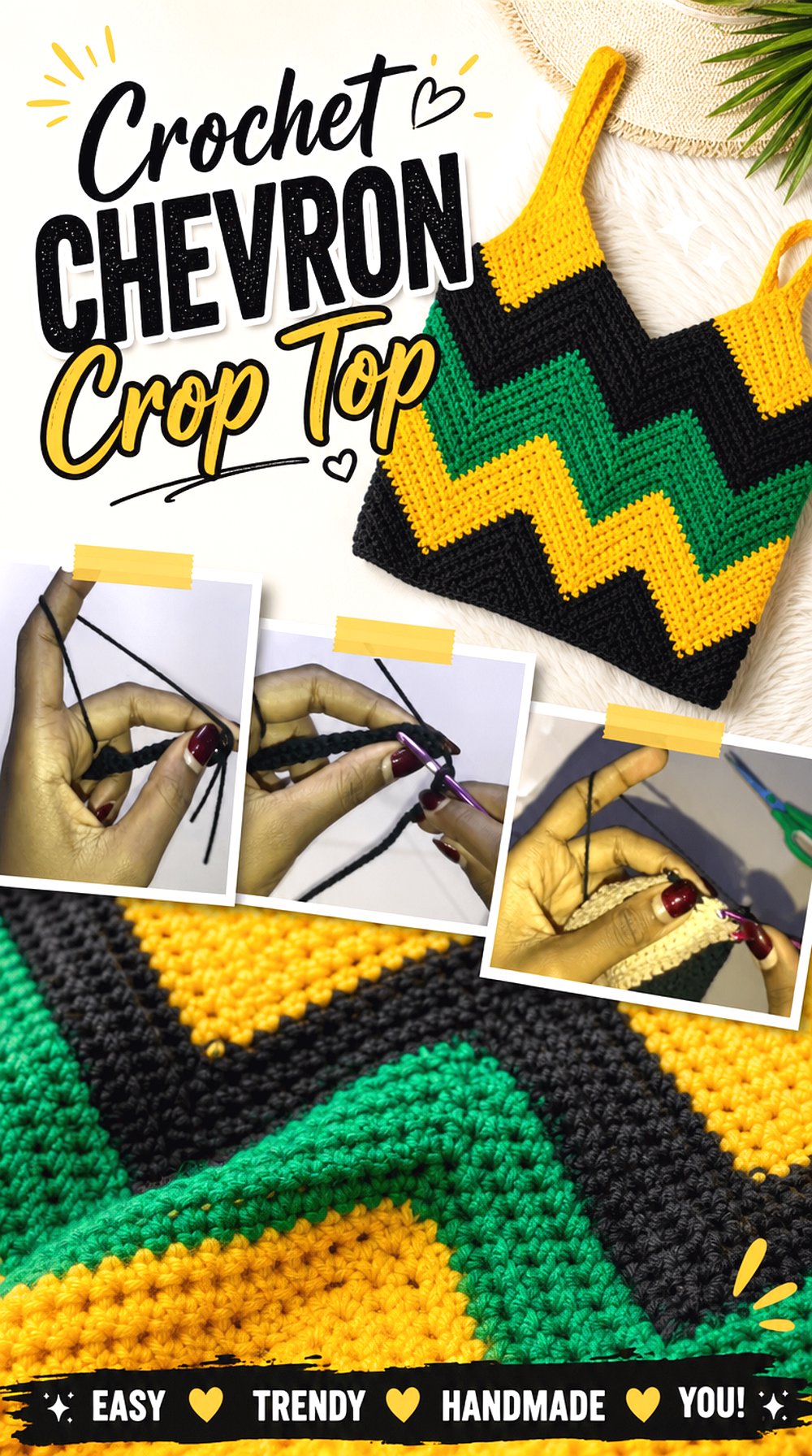
A chevron crop top brings the ripple-family stitch into a fitted summer-style garment. The zigzag texture becomes part of the front look, so the finished piece feels more structured than a plain crochet rectangle. It is a good option for readers who want a wearable project where the stitch pattern is visible on the body.
This project is very different from the poncho because fit matters much more. Before choosing it, readers should look for size notes, garment length, strap or neckline information, and how the back is shown in the original source.
Fit Is the First Decision
A crop top needs more careful planning than a scarf or blanket. Readers should compare the creator’s sizing information with their own measurements before beginning. Even when a stitch pattern looks simple, garment fit depends on length, width, stretch, and how the top is meant to sit.
Coverage Should Be Checked From Several Views
The chevron texture may draw attention to the front, but coverage matters all around. Readers should check whether the back and side views are clearly shown. If any view is missing or unclear, they should decide what they need to verify before choosing this as a wearable project.
A Strong Stitch Pattern Can Stand Alone
This kind of crop top does not need many extra details because the chevron texture already creates movement. A single-color version may show the stitch through shadow and texture, while color changes can make the zigzag more graphic. Readers should choose the direction that best matches how they plan to style it.
Creator: Shyler crochets
11. Crochet Chevron Skirt
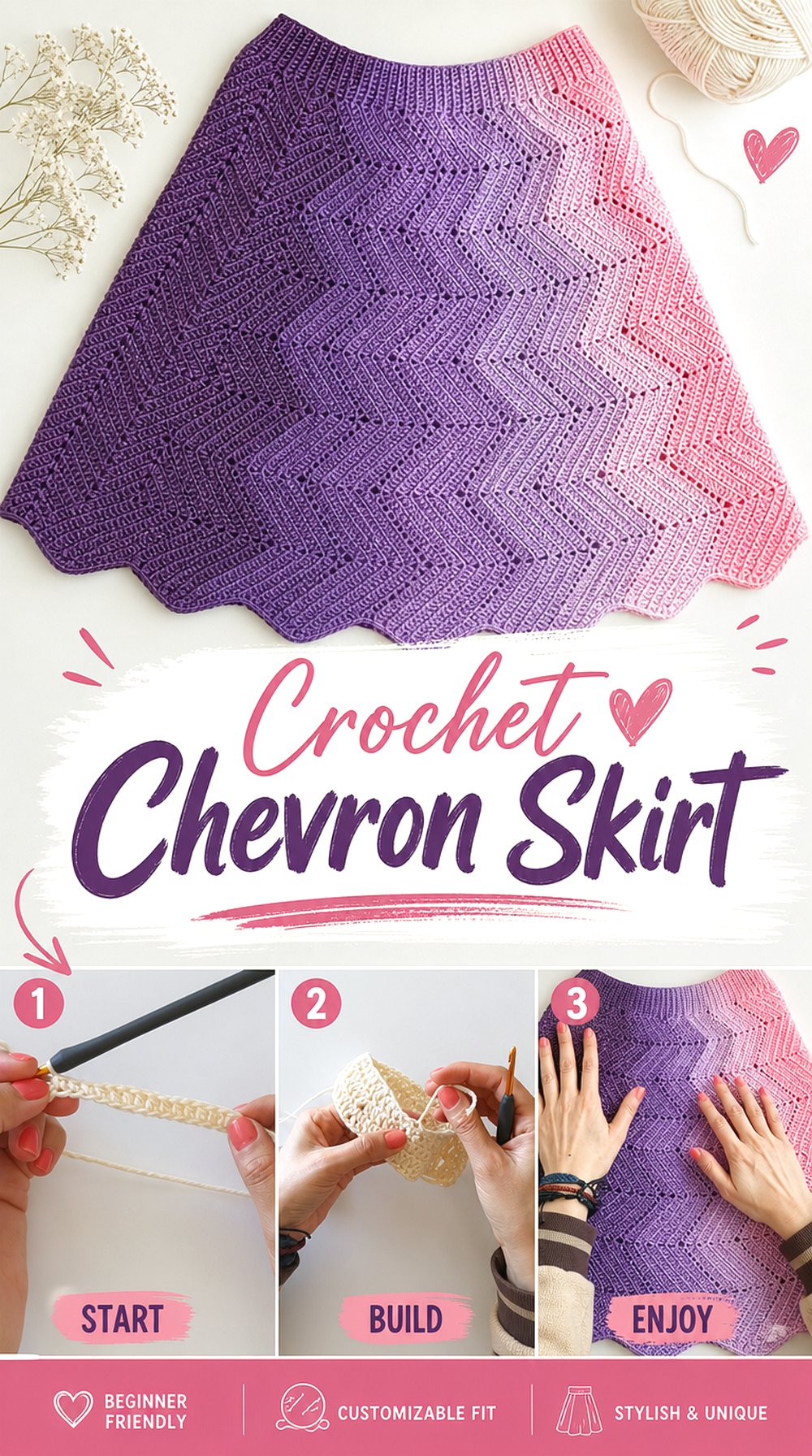
A chevron skirt uses the ripple shape as a garment design line, giving the finished piece movement around the body. The zigzag pattern can make the skirt look more dynamic than a straight striped crochet skirt. This is a useful idea for readers who want a ripple stitch project that is clearly wearable and more fitted than a poncho.
The main thing to notice is how the chevron pattern behaves over a skirt shape. Fit, waist placement, length, and stretch all matter, so readers should not treat it like a flat scarf or blanket project.
Waist and Length Information Matter
A skirt needs accurate planning around body measurements. Readers should confirm the source’s sizing guidance and finished length before starting. Even if the stitch pattern is clear, the final garment has to fit the waist and fall at the intended point on the body.
The Chevron Line Adds Movement
The zigzag design can make the skirt feel more active than a plain solid fabric. This can be very effective, but it also means color choices are more noticeable. Readers who want the chevron line to be the feature can use contrast, while those who prefer a softer garment may choose closer shades.
Check How the Fabric Hangs
A skirt needs to hang smoothly when worn. The ripple stitch should not distort the garment shape or make the edge look uneven unless that is part of the intended design. Readers should study the finished view and decide whether the drape, length, and lower edge suit their style.
Creator: Sirin’s Crochet
12. Crochet Ribbed Chevron Headband
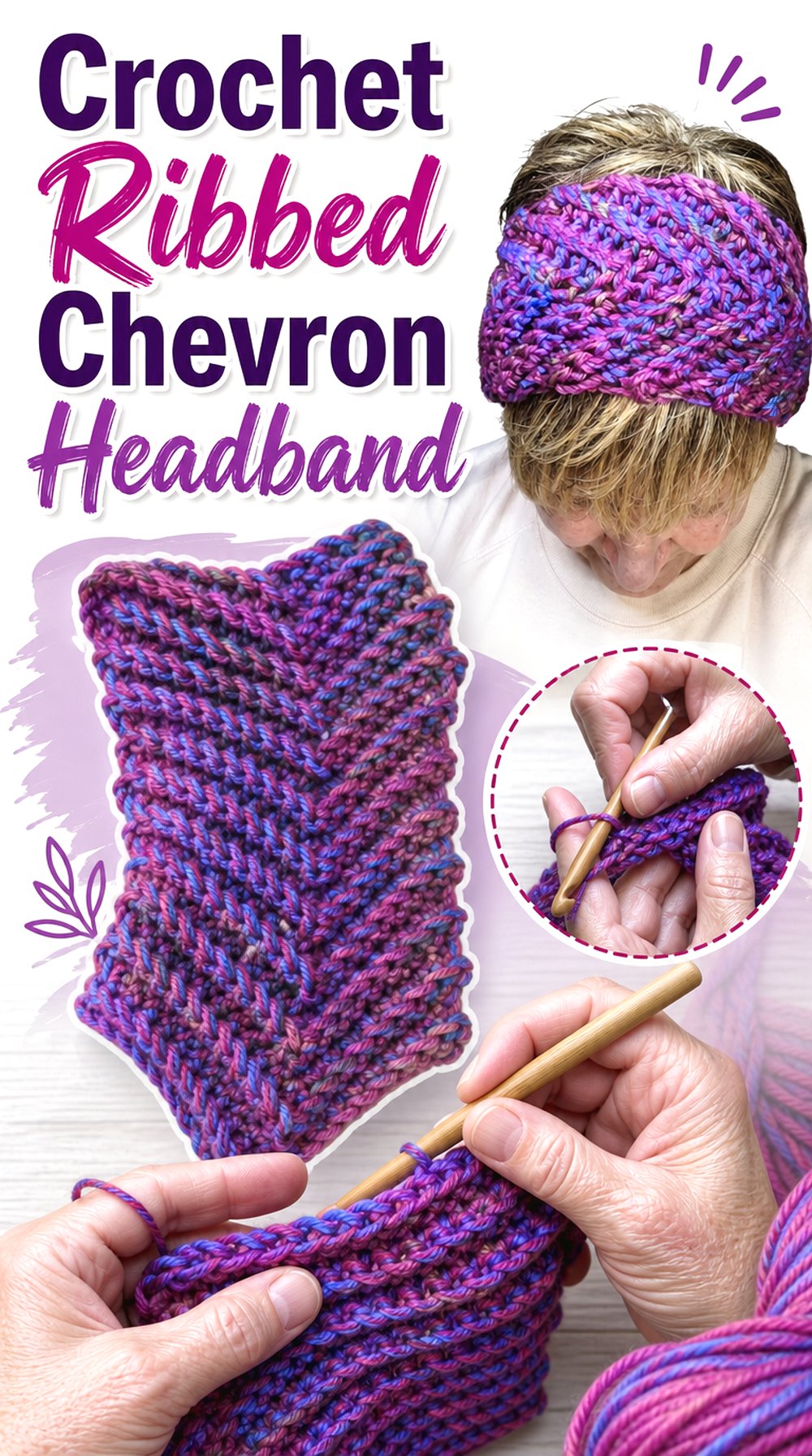
A chevron headband is a much smaller way to use the ripple-family look. Instead of covering a large surface, the zigzag detail becomes a narrow wearable accent. This option is useful for readers who want a quicker accessory-style project or who want to test chevron shaping before moving to a larger item.
The ribbed texture also matters because a headband needs to sit close to the head. Readers should pay attention to sizing, stretch, and how the finished band joins or closes.
Small Projects Show Tension Changes Quickly
A headband does not give much room to hide uneven tension. If the chevron points shift, the finished band may look uneven right away. Readers should compare the shape as they work and keep the edges neat, especially if the headband is made in a solid color where texture is easy to see.
Fit Is More Important Than Decoration
The chevron design is attractive, but the headband still needs to fit. Readers should check the size information and decide whether the finished width suits their preference. A wider band may cover more of the ears, while a narrower one may feel more like a hair accessory.
Ribbing Can Change the Final Feel
Ribbed texture can help a headband look more structured and wearable. It also changes how the fabric behaves compared with a flat ripple scarf or blanket. Readers should check the finished close-up and decide whether they want the ribbed chevron effect to be the main texture.
Creator: JoannesWeb
13. Crochet Granny Chevron Cowl
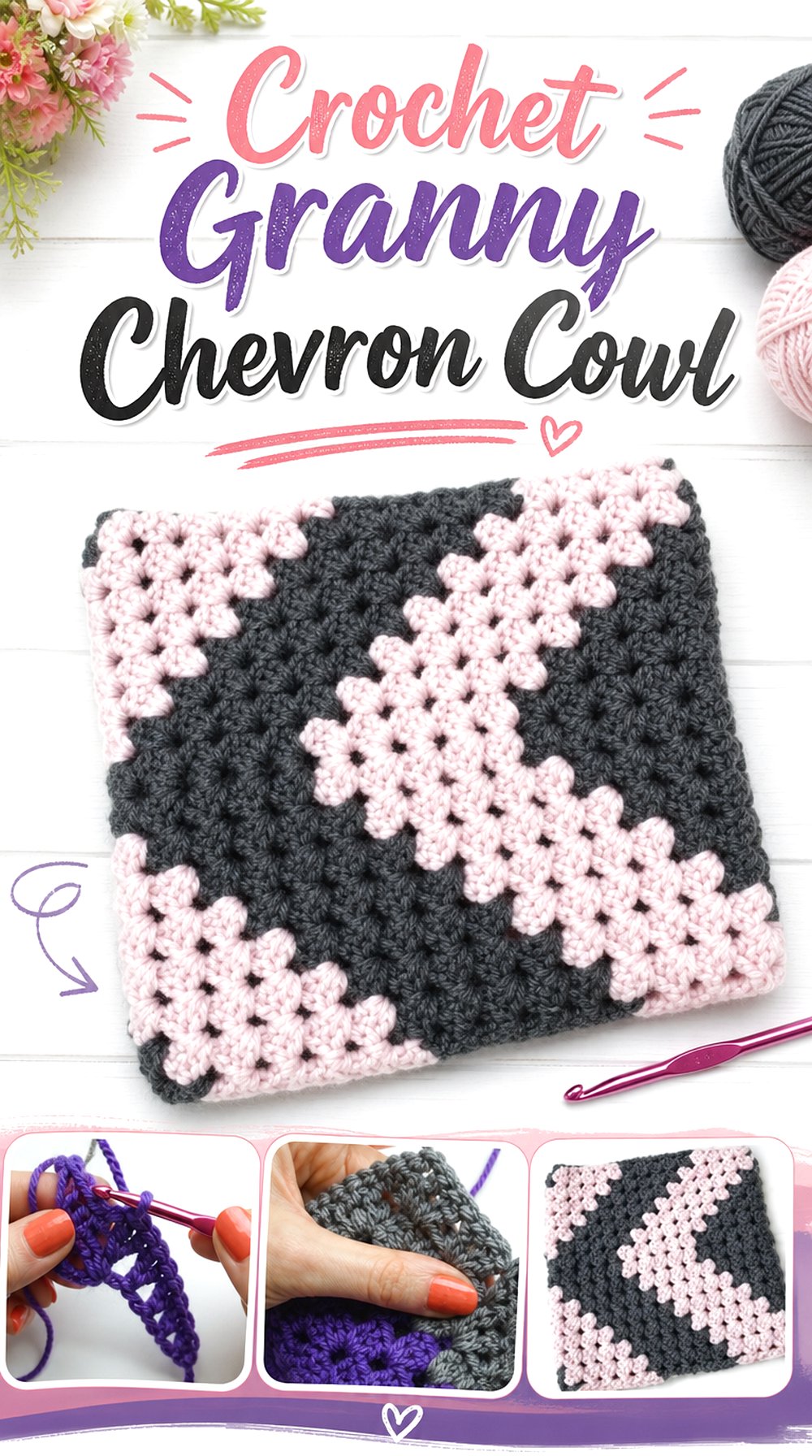
A granny chevron cowl combines a neck-warmer shape with a ripple-style zigzag layout. The finished result is more compact than a scarf because it sits around the neck rather than hanging long. It is a good project idea for readers who like chevron texture but want something smaller and more contained.
This option differs from both scarf projects because the finished shape is closed or cowl-like. The main points to check are circumference, height, drape, and how the chevron texture looks when worn in a loop.
The Cowl Shape Keeps the Ripple Contained
A cowl does not show the ripple line the same way a long scarf does. Instead, the chevron texture wraps around the neck in a compact shape. Readers should look at the finished piece worn or displayed to decide whether they like that shorter, fuller effect.
Height Affects Warmth and Styling
A taller cowl gives more neck coverage, while a shorter one may sit more casually. Readers should confirm the finished height or review the visual proportions before starting. The chevron texture can look very different depending on whether the cowl is slim and close-fitting or wider and softer.
A Smaller Accessory Can Handle Bolder Color
Because a cowl is smaller than a blanket or poncho, bold colors may feel easier to use. The chevron shape can make even a limited palette look active. Readers who usually avoid strong stripes in garments may find a cowl a more manageable place to try them.
Creator: Zeens And Roger Crochet
14. Crochet Ripple Dishcloth
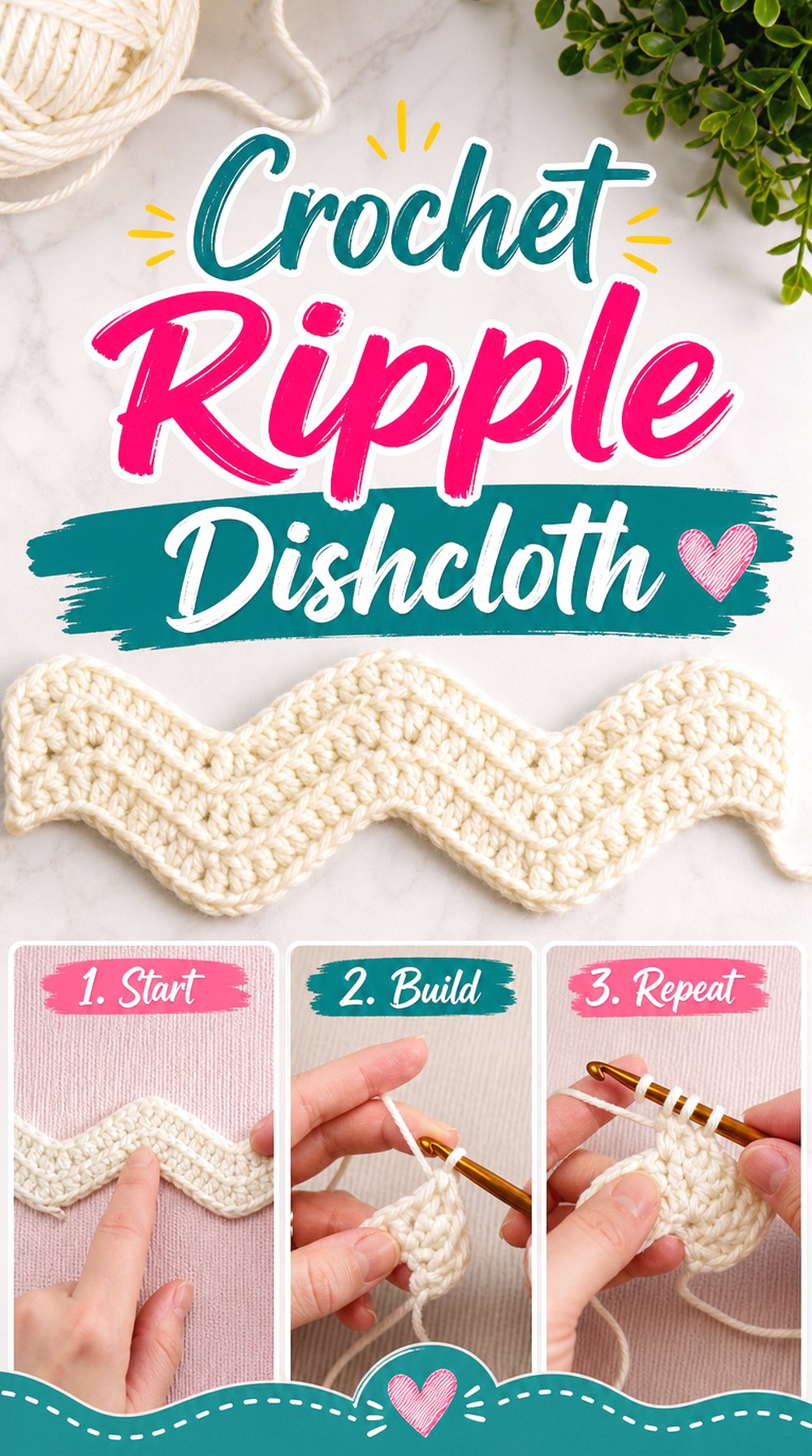
A ripple dishcloth is a practical small project where the wave edge becomes part of a kitchen item. It is much smaller than a blanket, so it can be useful for trying ripple shaping on a limited scale. The finished piece gives the stitch pattern a functional purpose without needing garment sizing or long rows.
This project stands apart from the mug rug and table runner because it is meant for kitchen use. Readers should think about yarn suitability, washability, finished size, and whether the ripple edge works for the way they use dishcloths.
Kitchen Use Needs Practical Yarn Choices
A dishcloth usually needs a yarn that can handle regular handling and cleaning. Readers should confirm the creator’s supply information and keep the yarn label for care details. The ripple stitch may make the cloth look decorative, but the material choice is what determines whether it suits kitchen use.
The Wavy Edge Is Part of the Appeal
A ripple dishcloth has more character than a plain square because the edge follows the stitch movement. That can make it nice for a gift set or countertop basket. Readers should still check the finished shape to make sure the waves are neat enough for the look they want.
A Small Scale Helps Build Confidence
This is a useful project for someone who wants to practice ripple shaping before committing to a throw. Because the piece is small, mistakes are easier to spot and correct. Readers can use it to understand how the peaks and valleys behave while still ending with a usable item.
Creator: crochetnmore
15. Crochet Chevron Table Runner
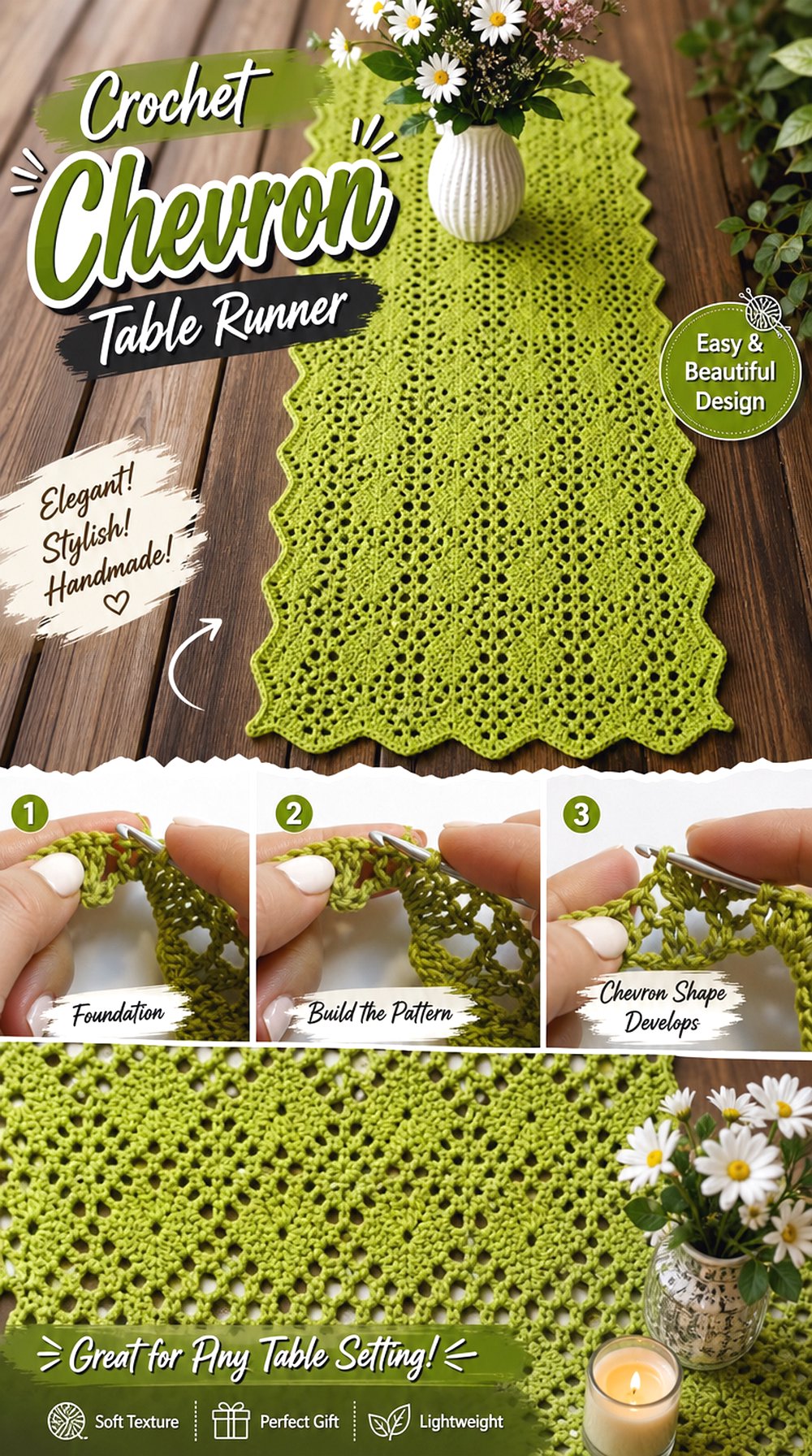
A chevron table runner stretches the ripple shape across a dining table, console, dresser, or shelf. The long rectangle gives the zigzag pattern room to repeat, while the finished piece stays flatter and more decorative than a blanket. It is a good idea for readers who want ripple stitch in home decor without making a large throw.
This project differs from the dishcloth because placement matters more. The table runner needs to fit a surface, sit flat, and look clean along the edges.
Measure the Surface First
A table runner should match the space where it will be used. Readers should measure the table, shelf, or sideboard before choosing the final length. A runner that is too short may look unfinished, while one that is too long may hang awkwardly or interfere with daily use.
Flatness Matters for Table Decor
Ripple stitch creates movement, but a table runner still needs to lie neatly. Readers should watch the finished view and note whether blocking, edge control, or careful shaping is important. A runner used under decor should not bunch or distort the items placed on top.
Color Should Match the Room, Not Just the Stitch
Because a runner stays visible in a room, color choices should work with the surrounding decor. Strong chevrons can become a focal point, while neutral waves can add texture quietly. Readers should decide whether they want the runner to stand out or blend into the table setting.
Creator: Kristines Crochets
16. Crochet Chevron Stripe Mug Rug
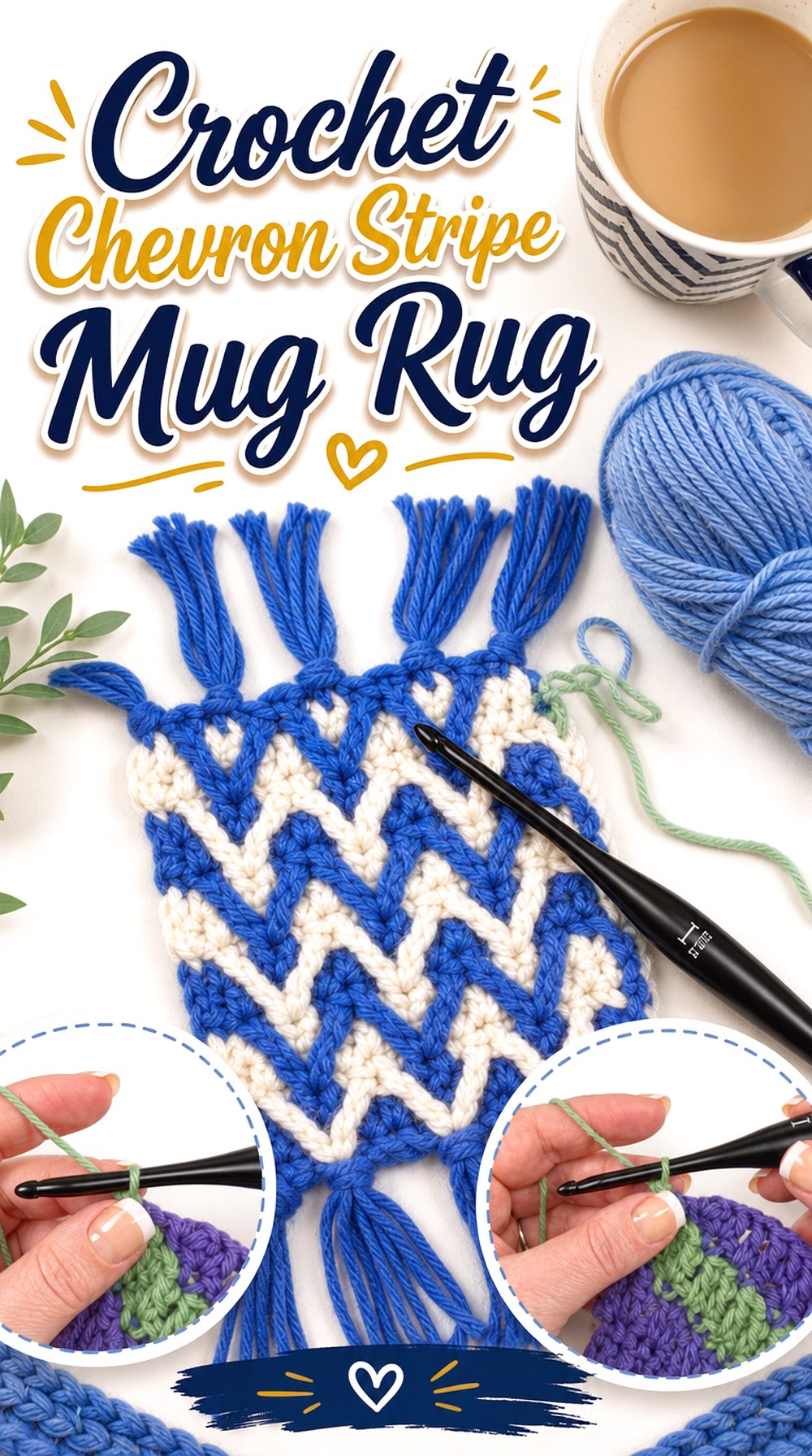
A chevron stripe mug rug is a small home project that uses the zigzag pattern in a coffee-table size. The finished piece can sit under a mug and small snack, so it works differently from a coaster or full placemat. The chevron striping gives it a decorative look without needing a large surface.
This project is a strong option for readers who like ripple shapes but want something giftable, compact, and easier to store. The fringe detail also changes the final presentation, so finishing choices matter.
Fringe Changes the Finished Style
Fringe can make a mug rug feel more decorative and casual. It also means the finished piece needs a little more attention after the main crochet is done. Readers should check whether they like the fringe length and texture before choosing this project, especially if they prefer very clean edges.
Colorwork Is the Main Visual Feature
A mug rug is small, so every stripe and color change is noticeable. Readers should choose colors that make the chevron pattern clear without overwhelming the small format. A limited palette can look crisp, while brighter colors can make the piece feel more playful.
Think About Everyday Handling
A mug rug may be moved, washed, or stored often. Readers should confirm care guidance from the yarn label and think about whether fringe suits their daily habits. If the piece is mainly decorative, the finishing style may matter more than heavy use.
Creator: Tamara Kelly – Moogly
17. Crochet Chevron Pillow Cover
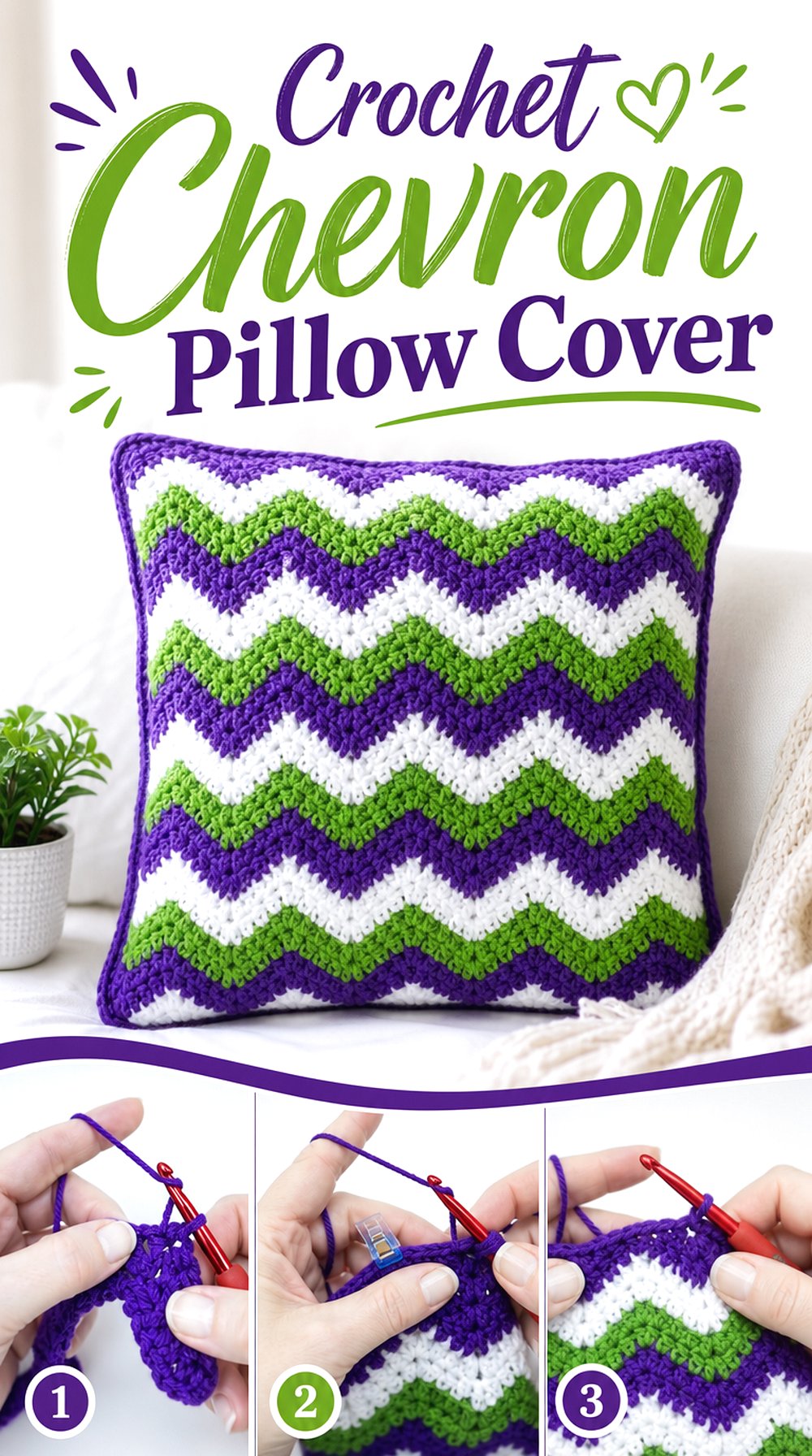
A chevron pillow cover turns ripple shaping into a home accent with a defined square or rectangular form. Unlike a blanket, the finished piece needs to fit around an insert or hold its shape on a couch or chair. The zigzag surface makes the pillow decorative even when the color palette is simple.
This project is useful for readers who want a ripple stitch idea that looks finished as room decor. Shape, closure, and sizing are the main points to review before starting.
Pillow Size Needs to Match the Insert
A pillow cover should be planned around the insert it will hold. Readers should confirm the finished size guidance and compare it with the pillow form they want to use. Even a nice chevron pattern will not look clean if the cover is too loose or stretched too tightly.
The Back and Closure Are Worth Reviewing
The front chevron design is usually the part that catches attention, but the back and opening affect everyday use. Readers should check whether the source clearly shows how the cover closes or how the insert is handled. That detail matters if the pillow will be used often instead of only displayed.
Good for Coordinating With Blankets
A chevron pillow can pair well with ripple blankets because both use wave-like movement. To avoid a room feeling too busy, readers may want to coordinate color rather than matching every stripe exactly. A pillow can echo the ripple look in a smaller, controlled way.
Creator: Pamela’s Adoring Crochet
18. Crochet Chevron Purse
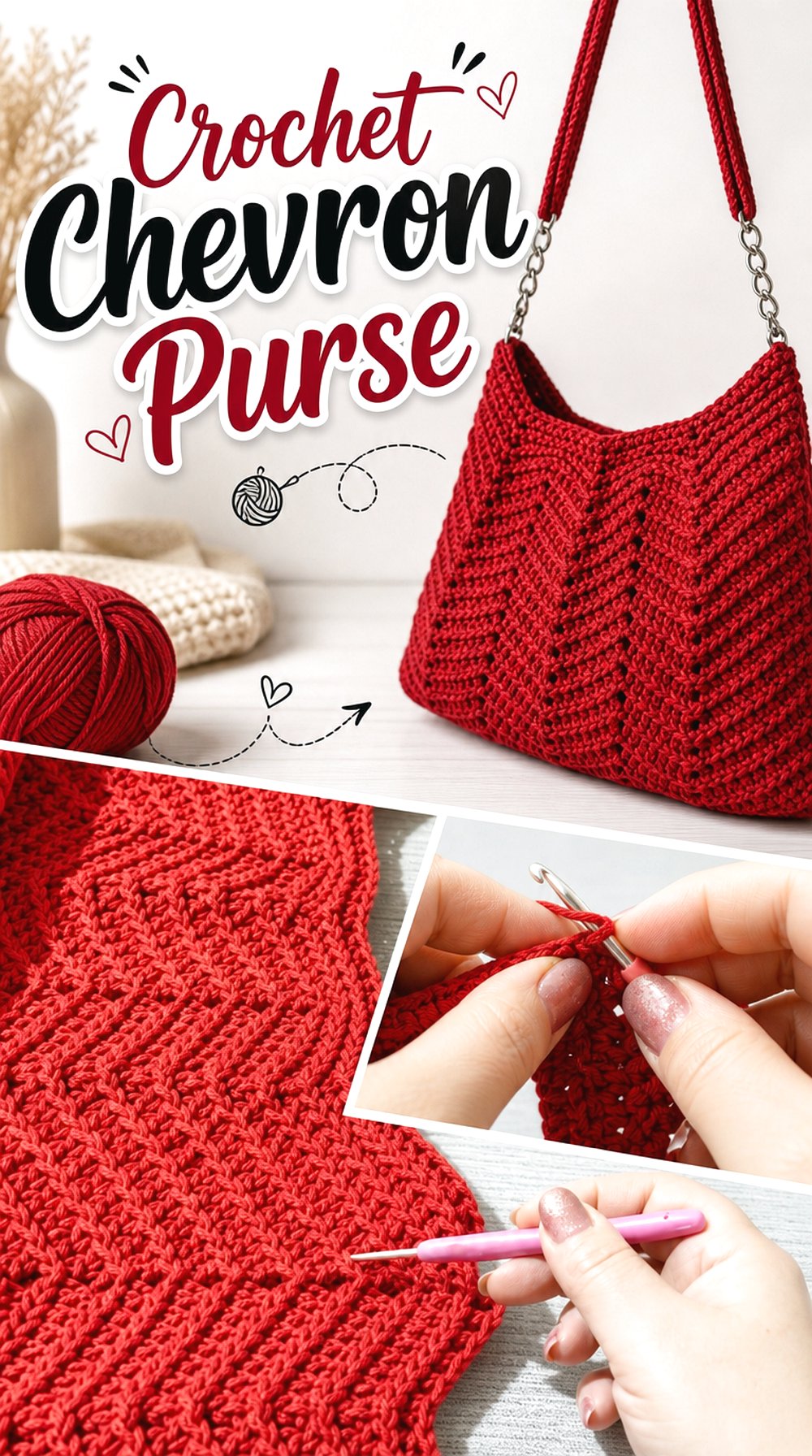
A chevron purse uses the ripple stitch family in a structured accessory. The zigzag pattern gives the bag a clear decorative surface, while the finished shape needs to work for carrying light personal items. This project is a strong choice for readers who want ripple stitch outside of blankets and home decor.
The purse stands apart from the other ideas because function matters as much as appearance. Readers should look closely at the handle, opening, lining information, and finished size before deciding how they would use it.
Handle Style Affects Daily Use
A crochet purse needs a handle or strap that suits the way it will be carried. Readers should check the finished view and any handle details in the source before starting. The chevron body may be the main design feature, but the handle determines whether the bag feels practical for the intended use.
Lining Is a Detail to Confirm
Some crochet bags include lining guidance and others do not. Readers who want to carry smaller items should check whether the inside is shown and whether lining is part of the project. If lining is not included, they should decide whether the open crochet fabric is enough for their planned use.
The Chevron Pattern Can Make a Simple Shape Stand Out
A purse does not need a complicated silhouette if the surface pattern is strong. The chevron rows can give the bag movement and color interest on their own. Readers who want a more polished result should keep the color plan clean and make sure the ripple points line up neatly across the body.
Creator: rosa parlato
Choosing the Right Ripple Stitch Project for Your Goal
Choose a blanket if you want the ripple stitch to cover a large surface and become the main design feature. The chunky throw, fall stripe throw, and classic zig zag blanket all give the stitch room to repeat. Pick a scarf, cowl, headband, poncho, top, or skirt if you want the same movement in a wearable form, but check fit and drape more carefully.
For home details, the dishcloth, table runner, mug rug, pillow cover, and purse are better when you want a smaller project with a clear finish. These pieces show mistakes sooner, but they also help readers practice ripple shaping without taking on a full-size blanket.
Conclusion
Ripple stitch crochet can be bold, soft, practical, or wearable depending on the project shape. For a large home piece, the throw blankets and baby blankets give the waves the most room to show. For accessories, the scarves, cowl, headband, and purse use the same zigzag idea in a smaller format. Wearable options like the poncho, crop top, and skirt need more attention to fit, while table and pillow projects need clean edges and finished dimensions.
Use the original tutorials for the exact construction details, sizing notes, and supply lists before starting. The best choice is the project where the ripple shape supports how the item will actually be used.
FAQs
What is the difference between crochet ripple stitch and chevron crochet?
Ripple and chevron crochet are often closely related. Both create peaks and valleys, but “ripple” may describe a softer wave while “chevron” often suggests a sharper zigzag. The exact look depends on the tutorial, stitch height, yarn, and color placement, so it is best to judge by the finished project view.
Which crochet ripple stitch idea is best for a first larger project?
A simple ripple throw or baby blanket is usually easier to compare visually than a fitted garment because the project stays flat. Readers should choose a tutorial with a clear finished blanket, visible edges, and enough size or material information for their goal. A dishcloth can also help with practice before starting a larger blanket.
Can ripple stitch be used for wearables?
Yes, ripple and chevron shaping can be used in wearables such as scarves, cowls, ponchos, tops, skirts, and headbands. Fit matters more with garments than with blankets, so readers should check size range, finished measurements, neckline, length, and any back or side views before choosing a wearable ripple project.
What should I check before making a crochet ripple bag or purse?
For a ripple bag or purse, check the finished size, handle style, opening, inside view, and whether lining is included. Crochet fabric can have gaps depending on the stitch pattern, so readers who want to carry small items should confirm how the inside is finished before relying on it for daily use.
How do I choose colors for crochet ripple stitch projects?
Use contrast when you want the wave or chevron shape to stand out. Choose closer shades when you want a softer, more blended look. Large blankets can handle wider stripe plans, while small projects like mug rugs, headbands, and dishcloths usually look cleaner with fewer colors or a carefully repeated color order.