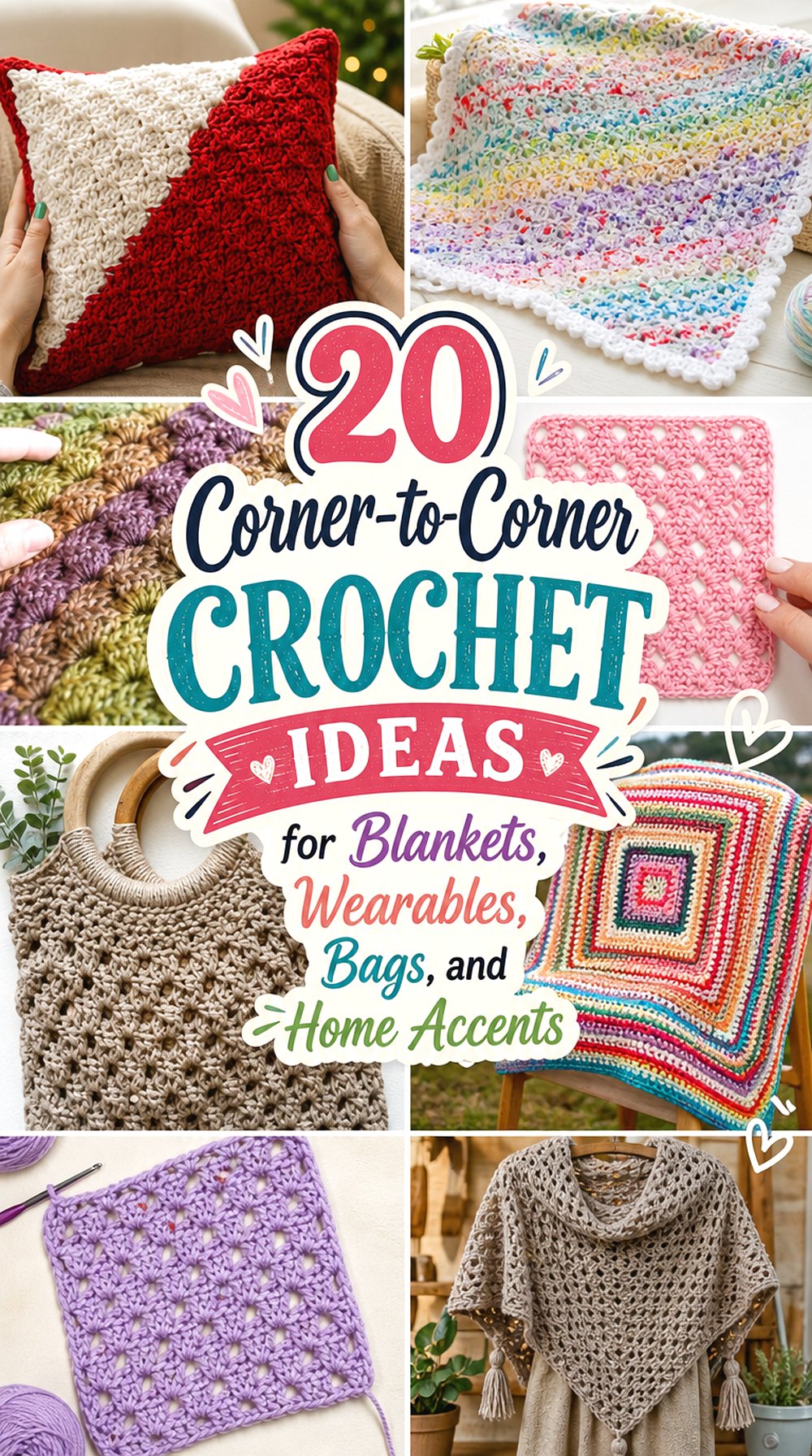

Corner-to-corner crochet can move far beyond one basic blanket. The diagonal structure works well for square panels, rectangles, graph designs, scarves, small kitchen pieces, bags, pillows, and wearable accessories, so this collection focuses on project variety instead of repeating the same shape twenty times.
These ideas include large pieces for home use, smaller projects for practicing the technique, and accessories where the diagonal fabric becomes part of the finished style. Some projects rely on simple blocks, while others use mesh, moss stitch, color changes, borders, handles, pockets, or shaped finishing. Use this list to compare the final item first, then open the original tutorial when you are ready for the exact construction details.
Quick List
- Crochet Classic Corner-to-Corner Blanket
- Crochet Dream Time Baby Blanket
- Crochet Nordic Corner-to-Corner Throw
- Crochet Heart Graph Baby Blanket
- Crochet Bias Scarf in Corner-to-Corner Rows
- Crochet Splendid C2C Wrap Shawl
- Crochet Simple Triangle C2C Shawl
- Crochet Shawlette Scarf and Cowl
- Crochet C2C Hat and Scarf Set
- Crochet Widcombe Corner-to-Corner Beanie
- Crochet C2C Mesh French Market Bag
- Crochet Boho Corner-to-Corner Crossbody Bag
- Crochet C2C Throw Pillow Cover
- Crochet Corner-to-Corner Washcloth
- Crochet Beginner C2C Coaster
- Crochet C2C Placemat and Mug Mat
- Crochet Corner-to-Corner Granny Square
- Crochet C2C Moss Stitch Rectangle
- Crochet Tulip Graphgan Panel
- Crochet C2C Envelope Accent
What to Compare Before Choosing a C2C Project
The main choice is not only size. A C2C blanket, scarf, dishcloth, and bag may all use diagonal growth, but they ask different things from the maker. Blankets and graph panels reward careful color planning, while scarves and shawls need attention to drape, length, and how the finished piece will sit when worn. Bags need stronger decisions about handles, openings, and how much structure the fabric has. Kitchen and tabletop projects are smaller, but they make texture, edges, and cleaning more important.
Before starting, notice whether the tutorial is teaching a complete item, a panel that can become several items, or a technique sample. Also check whether the creator provides finished measurements, a material list, color notes, written support, or only video guidance.
1. Crochet Classic Corner to Corner Blanket

A classic C2C blanket is the clearest starting point for understanding how diagonal crochet grows from one corner toward the opposite side. This project keeps the focus on the familiar square or rectangular blanket shape, making it useful for readers who want to see the basic structure before moving into graph work, wearables, or bags.
The finished idea is simple and roomy, with the diagonal block texture doing most of the visual work. It differs from the more decorative blanket options in this list because it is mainly about learning the core shape and edge behavior.
The Diagonal Block Shape Sets the Tone
The appeal of this blanket is the repeated diagonal block look. That structure gives the surface a clear direction, so even a plain color can look more dimensional than a straight-row blanket. Readers who want a calm, regular project may prefer this over graph designs that require more color attention.
Note the Terminology Before Following Along
This source notes that it uses British terminology with reference to US terminology. That matters because stitch names can sound familiar while meaning something different. Readers who normally follow US patterns should pause at the beginning and make sure they understand the creator’s terminology before matching the movements.
Creator: Bella Coco
2. Crochet Dream Time Baby Blanket2.

This baby blanket keeps the C2C technique in a soft nursery-friendly format, with the blanket body followed by a delicate border. It is a good option for readers who want a complete baby blanket project rather than only a stitch sample or practice square.
The finished piece stands apart from the classic blanket because the edge treatment becomes part of the final look. Anyone choosing this design should pay attention not only to the center fabric, but also to how the border changes the overall presentation.
The Border Gives the Blanket a Finished Frame
A C2C blanket can look complete with a plain edge, but this one includes a V-stitch border in the tutorial description. That added frame can make the piece feel more polished for gifting or nursery use. Readers should watch how the border sits around the diagonal fabric without trying to improvise the edge too early.
Baby Blanket Use Makes Size Planning Important
Because this is presented as a Sample Pagebaby blanket, finished size matters more than it would for a practice swatch. The creator’s material and timeline information should be reviewed before choosing yarn. Readers planning a crib, stroller, or keepsake blanket should confirm the final dimensions from the source rather than assuming one baby blanket size fits every use.
Creator: Creative Grandma
3. Crochet Nordic Corner to Corner Throw

This Nordic-style C2C blanket brings a more graphic look to the technique. Instead of relying only on diagonal texture, the design uses a stronger visual motif, making it a better fit for readers who want a throw with a planned decorative direction.
The finished project may suit a sofa, chair, or seasonal room display where the blanket is meant to be seen as much as used. It is different from the baby blanket and classic blanket choices because the pattern identity comes from the motif and overall styling.
A Motif Blanket Needs Color Awareness
A Nordic-style design depends on the motif staying readable. Readers should think about contrast before choosing colors, especially if they want the pattern to show clearly from across a room. Low-contrast yarns may soften the look, while stronger contrast will make the design stand out more.
Written Support May Help With the Graph
The source description notes a written pattern is available in English. That can be useful for a C2C design with a stronger motif, because visual-only following may be harder when color placement matters. Readers who prefer to mark progress should check the written support before starting.
Creator: The Crochet Crowd
4. Crochet Heart Graph Baby Blanket

A heart graph blanket uses C2C in one of its most recognizable ways: turning blocks into a picture. The finished design centers on a heart motif, which makes it more decorative and message-driven than a plain diagonal blanket.
This idea may suit readers looking for a baby blanket, nursery piece, or handmade gift with a clear symbol. Compared with the Nordic throw, the heart design feels softer and more personal, while still asking the reader to pay close attention to the graph and color layout.
The Heart Motif Should Stay Clear
For a graph blanket, the main decision is whether the picture will read cleanly once crocheted. Strong enough contrast between the heart and background is important. Readers should compare their yarn colors in daylight before starting, because colors that look different in skeins may blend together in small C2C blocks.
Graph Projects Reward Progress Tracking
A heart blanket is less forgiving than a single-color C2C blanket because each section contributes to the image. A simple progress note, row marker, or printed chart can help readers stay oriented. The original tutorial should remain the source for the exact graph work and placement.
Creator: Füsun ARIKAN
5. Crochet Bias Scarf in Corner to Corner Rows
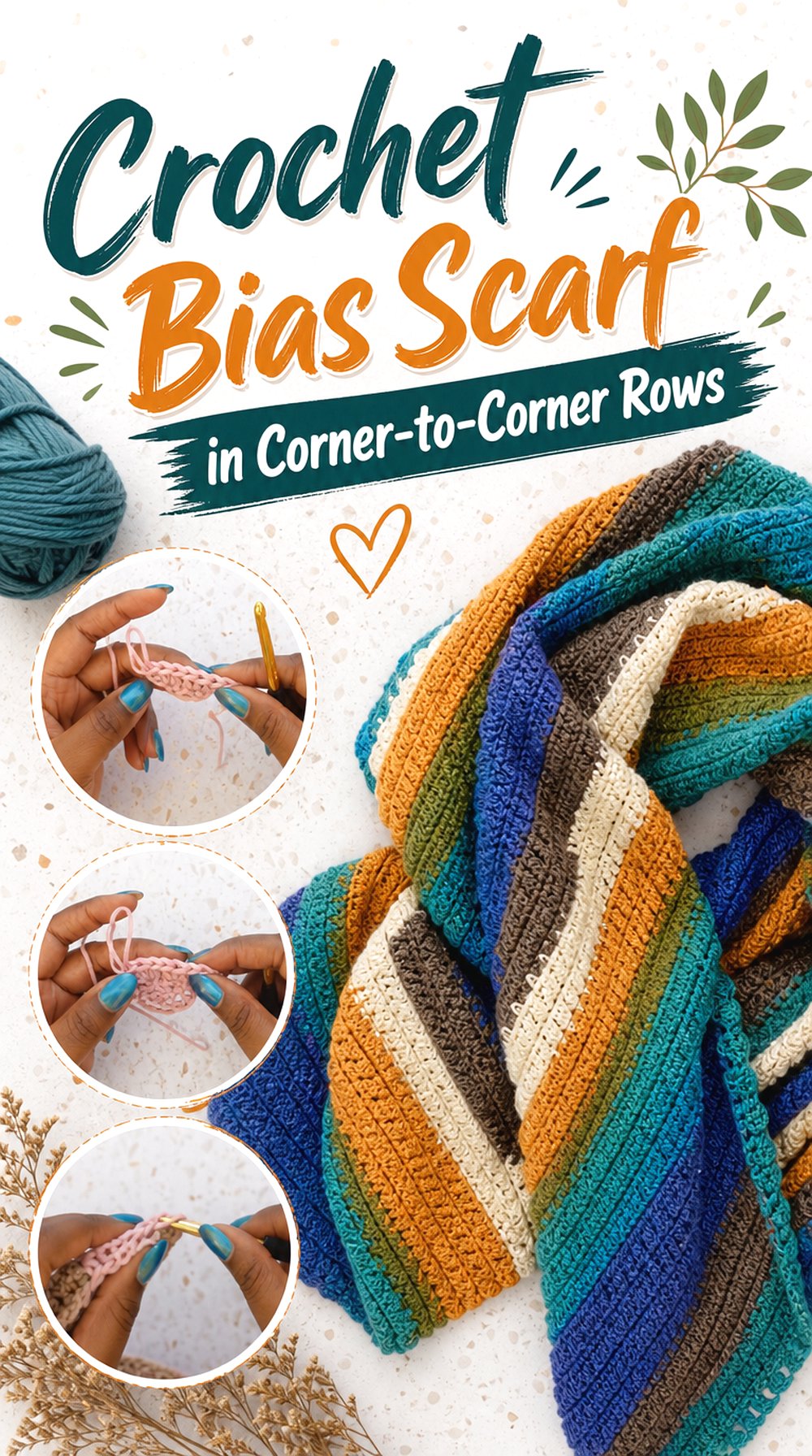
A bias scarf shows how C2C can become a wearable rectangle instead of a blanket. This project is worked as a scarf or wrap shape, and the source highlights color-changing fingering-weight yarn, which gives the finished fabric a lighter, more fluid look than many heavier C2C projects.
It is a strong choice for readers who like diagonal movement but want something wearable and narrower. Compared with the larger shawls in this list, this scarf keeps the project focused on length, drape, and color flow.
Lightweight Yarn Changes the Finished Drape
The source presents this as a sock-yarn C2C scarf, so readers should expect a different feel from a bulky blanket or pillow panel. A lighter yarn can make the scarf less heavy around the neck. Before substituting yarn, check the creator’s notes so the finished width and flow still make sense.
Color Changes Become Part of the Style
The diagonal format can make gradual color shifts look active without needing a complicated image. For this kind of scarf, the color path is part of the design. Readers using a different yarn should think about whether they want soft transitions, stripes, or a more scattered color effect.
Creator: TL Yarn Crafts
6. Crochet Splendid C2C Wrap Shawl
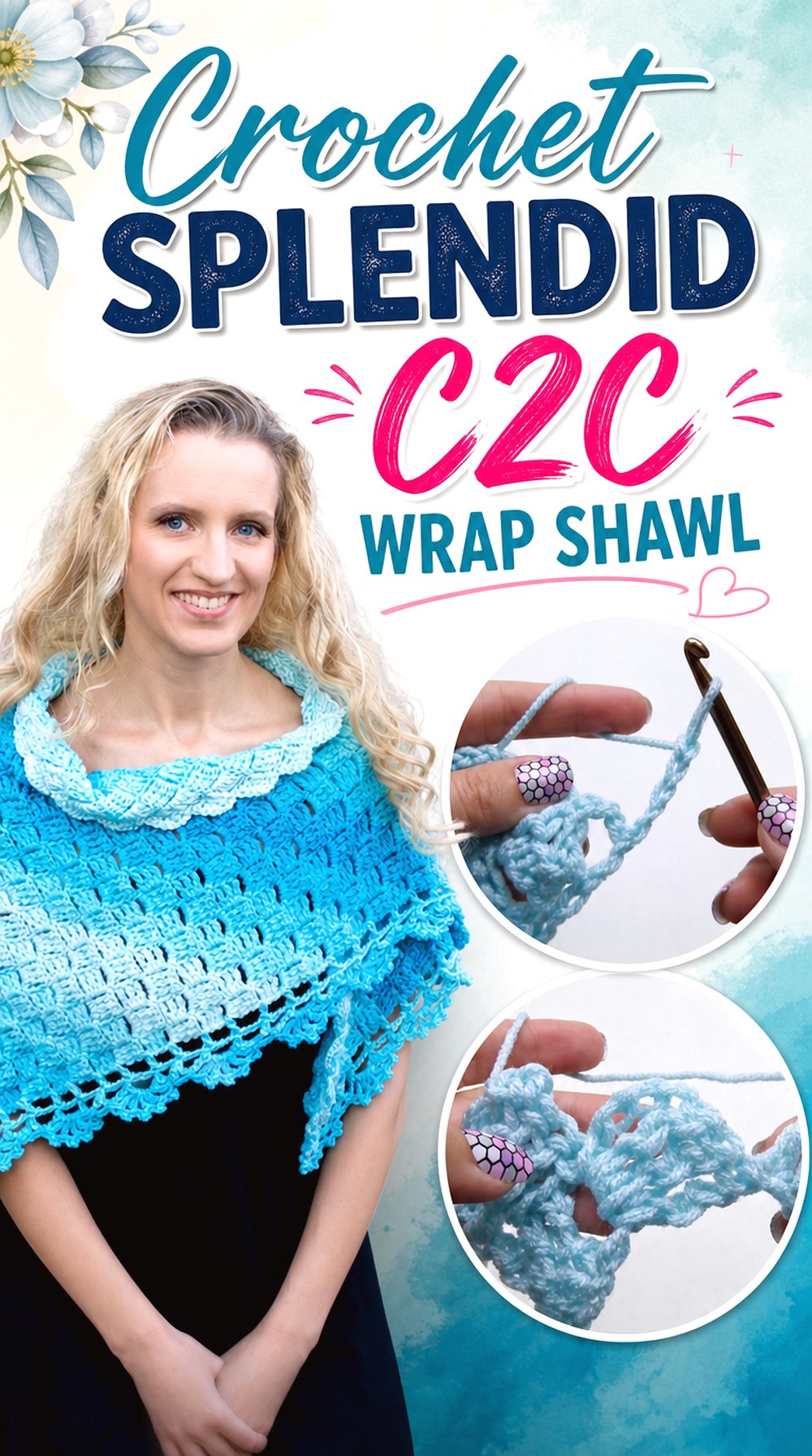
This wrap uses a modified corner-to-corner stitch technique, also described by the creator as the box stitch. The finished idea is broader and more wrap-like than a narrow scarf, so it may suit readers who want shoulder coverage without choosing a full triangle shawl.
Its main difference is the balance between wearable coverage and a repeating diagonal texture. It is not just a practice rectangle; it is meant to be worn as a wrap, so the final size, fabric movement, and edge finish all matter.
Wrap Coverage Is the Main Decision
A wrap needs enough width and length to sit comfortably around the shoulders or upper body. Readers should look at how the finished piece is worn in the source and decide whether they want a light layer or a more generous wrap. The tutorial should guide the actual size and construction.
Modified C2C Has Its Own Look
Because this project uses a modified C2C or box-stitch approach, it may not look exactly like a traditional blocky graphghan. That can be a benefit for readers who want the diagonal rhythm without a heavy grid appearance. Watch the stitch texture closely before choosing it over a standard C2C shawl.
Creator: naztazia
7. Crochet Simple Triangle C2C Shawl

A triangle shawl shows another side of corner-to-corner crochet: shaping that grows into a wearable point. This tutorial source states a finished shawl measurement of 78 cm high and 160 cm wide, which gives readers a clearer sense of scale before starting.
The finished shape differs from the wrap and scarf because it has a defined triangular silhouette. That makes it useful for readers who want a piece that can sit across the shoulders, fold at the front, or be styled with the point visible.
The Triangle Shape Affects Styling
A triangular shawl does not behave like a rectangle. The center point, upper edge, and side angles all affect how it sits when worn. Readers should choose this option when they want a shaped accessory rather than a straight scarf or wrap, and should review the finished display before deciding.
Stated Measurements Help With Planning
Because the source gives finished height and width, readers can compare those numbers with their preferred shawl coverage. This is especially helpful for anyone deciding between this triangle and a smaller shawlette. If using different yarn, the final size may change, so the original information should be treated as the guide.
Creator: Crochet with GG
8. Crochet Shawlette Scarf and Cowl

This project sits between a scarf, shawlette, and cowl idea, giving readers a smaller wearable accessory with extra finishing possibilities. The source mentions optional beads, border work, fringe, tassel placement, and blocking, so the final look can feel more detailed than a plain C2C strip.
It is a good match for readers who want a wearable project with decorative edges. Compared with the full triangle shawl, this option feels more compact and accessory-focused.
Optional Beads Change the Mood
Beads can make a small shawlette feel more decorative, but they also add planning. Readers should decide early whether they want that extra detail, because bead placement usually needs to be considered before the finishing stage. The original source should be checked for how the bead option is handled.
Fringe and Tassels Need a Clean Edge
9. Crochet C2C Hat and Scarf Set
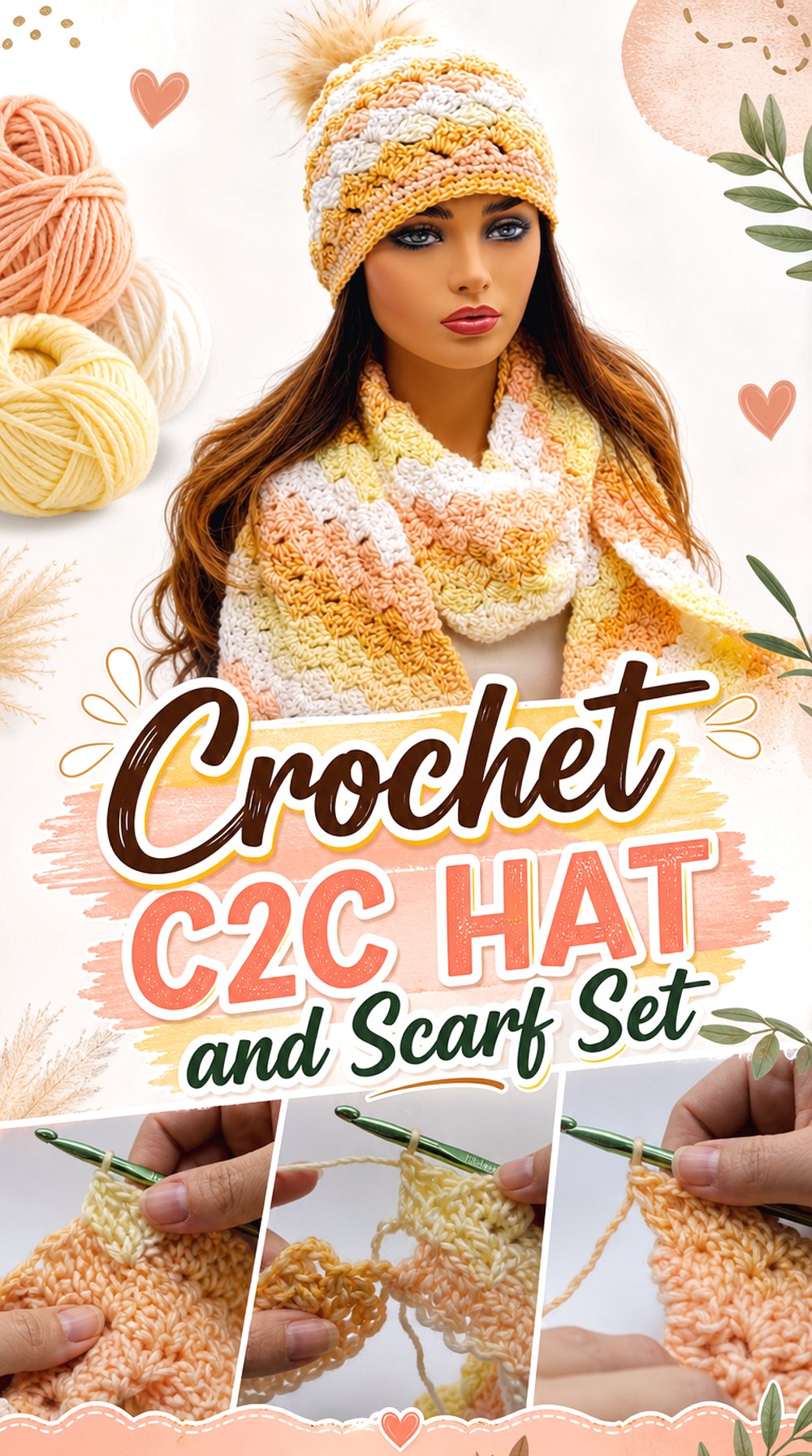
A matching hat and scarf set uses C2C in two related ways. The scarf is worked in a C2C pattern, while the hat is presented as a bottom-up project in the round. That makes this idea more involved than a single scarf, but it gives readers a coordinated wearable set from one source.
This project stands apart from the separate beanie below because it includes both neckwear and headwear. Readers who like matching accessories may prefer this over making individual pieces from unrelated tutorials.
Matching Pieces Need Consistent Yarn Planning
A set looks most connected when the yarn choice works across both items. The source provides material details and approximate finished information, so readers should review the full list before buying supplies. This is especially important when one skein or colorway is expected to carry the visual theme across both pieces.
The Hat and Scarf Use Different Forms
Even though both pieces belong together, they are not the same shape. The scarf is long and flat, while the hat needs to fit around the head. Readers should give extra attention to any sizing notes for the hat instead of assuming the scarf rhythm automatically solves the fit.
Creator: Bag-O-Day Crochet
10. Crochet Widcombe Corner to Corner Beanie

The Widcombe beanie turns a C2C panel into a shaped hat, which makes it a useful project for readers who want something more structured than a scarf but smaller than a garment. The source describes a flat rectangle that is gathered, seamed, and finished with ribbing.
This hat differs from the matching set above because the focus is on one fitted accessory with size options. It also gives readers a clear example of how C2C fabric can become a three-dimensional wearable.
Flat Construction Becomes a Hat Shape
The interesting part of this beanie is how a flat C2C rectangle becomes a rounded hat. Readers should watch the shaping and finishing sections carefully, because the final form depends on more than the diagonal panel. This is a good reminder that C2C can be useful beyond flat blankets.
Size Notes Matter More Than Color
The source lists multiple sizes, so readers should begin with fit rather than color choice. A hat needs to match head circumference and preferred length. Before starting, compare the creator’s size information with the intended wearer and check whether gauge or size notes are needed.
Creator: HanJan Crochet
11. Crochet C2C Mesh French Market Bag

This market bag uses a C2C mesh approach, giving the finished piece an open, flexible structure rather than a dense fabric. The source presents it as a French market bag with wooden handles, so the final project has a practical carrying purpose and a clear accessory shape.
It differs from the crossbody bag below because this one is about an open market-style body and handle finishing. Readers choosing it should think about what they plan to carry and whether they like a more open mesh look.
The Mesh Body Changes the Use
Mesh fabric can expand and show the contents more than a solid bag. That may suit produce or lightweight market items, but it is less private than a closed purse. Readers should decide whether the open look fits their intended use before choosing this over a solid crossbody design.
Handles Are a Key Feature
The wooden handles are part of the finished identity in the source. That means readers should check the handle information before starting, not after the bag body is complete. Handle size, attachment style, and availability can affect how the finished bag looks and functions.
Creator: Nana’s Crafty Home | Tonya Bush
12. Crochet Boho Corner to Corner Crossbody Bag
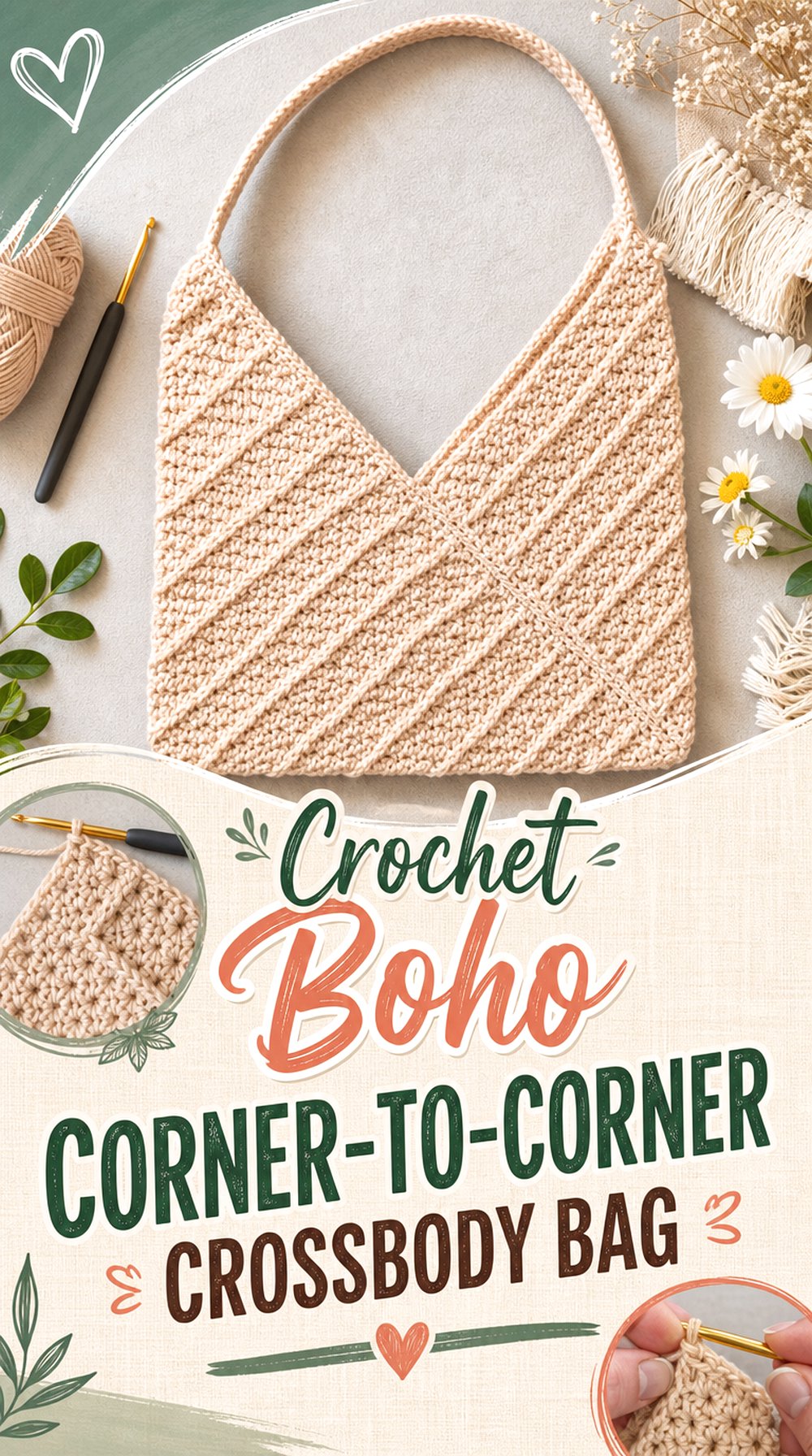
This crossbody bag begins with a corner-to-corner rectangle that is turned into a messenger-style bag. The finished idea is more closed and wearable than the mesh market bag, with a shape that suggests hands-free carrying and a softer boho look.
It is a good option for readers who want C2C to become an everyday accessory rather than a flat home project. The rectangle-to-bag transformation is the detail to notice, especially for anyone curious about shaping C2C fabric into a practical item.
A Rectangle Base Keeps the Shape Simple
The source describes the bag as being made from a C2C rectangle before it becomes a messenger bag. That gives the project a clear foundation, but readers should still watch how the rectangle is positioned and finished. Small changes in orientation can affect the final flap, body, or bag shape.
Crossbody Use Depends on Strap Details
A crossbody bag needs the strap to work with the wearer’s height and preferred carrying position. The tutorial should be checked for strap guidance and finishing. Readers should not assume the shown length will suit everyone, especially if they plan to wear it over coats or bulkier outfits.
Creator: Made by Gootie
13. Crochet C2C Throw Pillow Cover
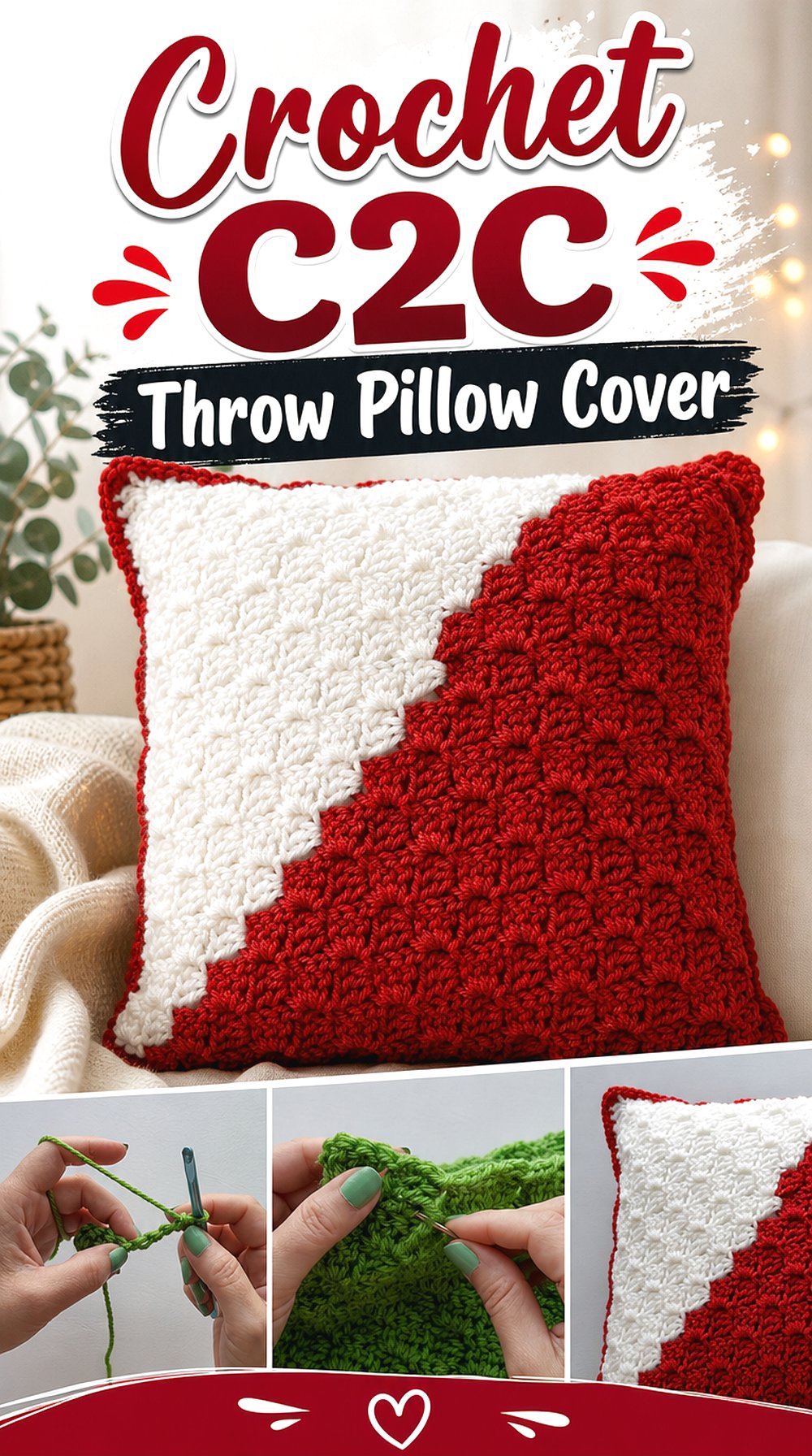
A C2C pillow cover brings the diagonal technique into home decor. The source describes a throw pillow cover made with the C2C technique and lists a 14-inch pillow form, giving readers a useful reference for the finished scale.
This project is different from blankets because fit around the insert matters. The C2C fabric needs to become a clean cover, not just a square panel, so readers should pay attention to the final joining, pillow form, and whether the cover style works for their room.
Pillow Insert Size Controls the Result
For a pillow cover, the insert is not a small detail. The source uses a 14-inch pillow form, so readers should decide whether that size fits their chair, couch, or bed display. Using a different insert may require checking the pattern information carefully so the cover does not end up loose or strained.
Two Panels Need Even Edges
The source describes the pillow cover as a C2C project, and the related pattern information notes two pieces attached together. That makes even edges important. Readers should compare both panels before finishing, because a pillow cover shows uneven shaping more clearly than a soft blanket would.
Creator: Crochet&Copy
14. Crochet Corner to Corner Washcloth

A washcloth is one of the most practical small ways to try C2C crochet. The finished project is compact, useful, and focused on texture rather than complicated shaping. The source presents it as a corner-to-corner washcloth tutorial and mentions a chart, yarn, and hook selection.
This idea stands apart from the coaster and placemat because it is meant for personal or household use where texture and fiber choice matter. It can also help readers practice diagonal growth on a manageable scale.
Texture Matters for Daily Use
A washcloth should have a surface that feels useful, not just decorative. The C2C texture gives the fabric visual interest and may provide a more substantial feel than a very flat stitch. Readers should choose this project when they want a small item that still teaches the rhythm of the technique.
Confirm the Yarn Information First
Because washcloths are used differently from scarves or pillows, yarn choice matters. The source discusses selecting yarn and hook size, so readers should review those notes before starting. Care information should come from the yarn label or creator guidance rather than being assumed.
Creator: Yarn as a Second Language
15. Crochet Beginner C2C Coaster

A coaster is the smallest project in this collection, making it a low-commitment way to see how corner-to-corner crochet forms a square. The finished piece is practical for a table or desk, but its real value is the compact scale.
This project differs from the washcloth because it does not need to cover as much surface. It is more about neat edges, a flat finish, and learning the C2C structure without committing to a large amount of yarn or time.
Small Scale Shows Edge Neatness
On a coaster, the edges are immediately noticeable. A wavy or uneven side can affect how the piece sits on a table. Readers should use this kind of project to observe their tension, turning points, and final square shape before moving to a larger blanket or pillow.
Useful as a First C2C Test
The source presents the coaster as a beginner C2C project. That makes it useful for readers who want to practice increasing and decreasing without making a large item. It can also help confirm whether the maker enjoys the diagonal rhythm before choosing a bigger project.
Creator: Be Crafty With Megan
16. Crochet C2C Placemat and Mug Mat

This C2C placemat and mug mat project moves the technique onto the table. The source presents it as a placemat or mug mat tutorial and includes color-changing guidance, so the final item can be more decorative than a plain practice square.
It differs from the coaster because it gives more surface area and more room for color layout. Readers interested in dining, desk, or coffee-corner pieces may find this a useful step between a tiny coaster and a larger home decor panel.
Surface Size Should Match the Use
A mug mat and a placemat serve different purposes, even when the same technique is used. Readers should decide whether they want a small cup-sized piece or a larger table setting piece. The source should be used to understand the intended format before choosing yarn and colors.
Color Changes Can Define the Design
The tutorial description mentions how to change yarn color, which is useful for a flat table piece. Color placement can create stripes, sections, or contrast without turning the project into a full graphgan. Readers should choose colors with the table setting in mind so the finished piece feels intentional.
Creator: Llana Tzai”s Access
17. Crochet Corner to Corner Granny Square

This project combines the familiar granny-square idea with corner-to-corner construction. The finished square can stand alone as a motif or become part of a larger blanket, pillow cover, or home decor piece, depending on how many squares a reader wants to make.
It is different from the basic C2C square because the granny-style texture changes the look. Readers who like modular crochet may prefer this option over a single large blanket, especially if they enjoy making separate pieces that can later be joined.
Motif Projects Offer Flexible Planning
A single square can be used as a sample, but multiples can become a larger project. That flexibility is useful, but readers should decide early whether they are making one square or a set. If the squares need to match, consistent yarn, hook size, and tension will matter.
Home Decor Is a Natural Fit
The source notes that the square can add a personalized touch to blankets, pillow covers, or creative projects. That makes it useful for readers who want C2C texture without committing to one fixed item. It can also be a practical way to test color combinations before a bigger piece.
Creator: Adore Crea Crochet
18. Crochet C2C Moss Stitch Rectangle
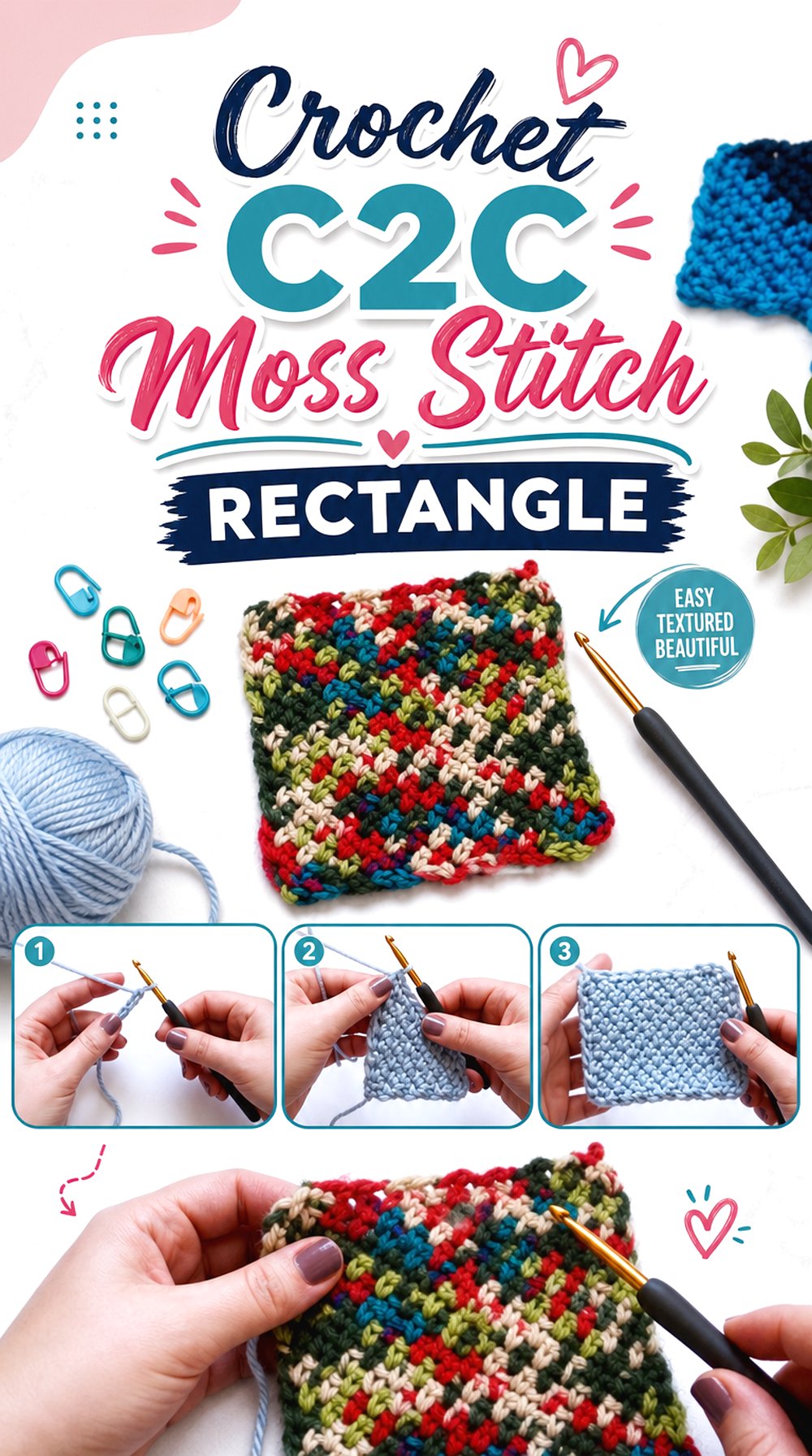
A C2C moss stitch rectangle gives the corner-to-corner idea a softer, less blocky surface. The source explains that this variation can create a square or rectangle in a chosen size and notes that the fabric has stretch and drape.
This is a useful project for readers who like the diagonal method but want a more blended texture than standard C2C blocks. It can become a scarf, small blanket, panel, or practice piece, depending on the chosen size.
Moss Stitch Softens the C2C Grid
Standard C2C can look very square and graphic. Moss stitch changes that surface, making the diagonal structure feel more subtle. Readers who want a calmer fabric may prefer this version, especially for projects where drape is more important than a pixel-style image.
Size Choice Comes From the Project Goal
Because the source explains square and rectangle possibilities, readers should begin with the final use. A scarf, blanket panel, and small cloth do not need the same proportions. Decide whether the finished piece should be long, square, or wide before following the shaping guidance.
Creator: Every Trick on the Hook
19. Crochet Tulip Graphgan Panel
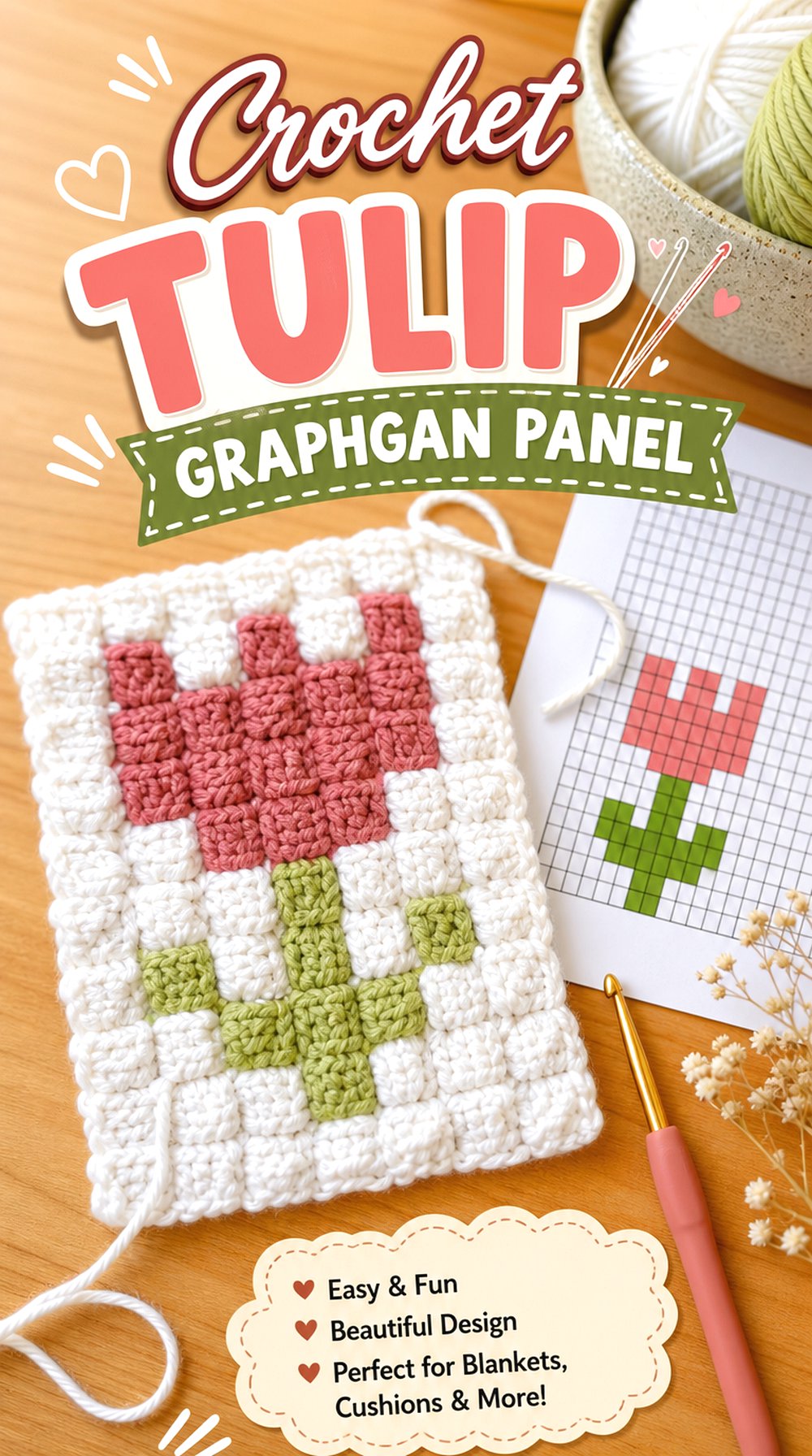
A tulip graphgan panel shows how C2C can turn a simple image into a crochet design. The source uses a tulip design as an example for creating a graphgan project, so this idea is best for readers who are ready to think about picture placement, color blocks, and how a panel might be used.
The finished panel could become part of a blanket, pillow, or wall piece, depending on scale. It differs from the heart blanket because it focuses more on designing and adapting a graph.
Image Placement Is the Main Skill
A graphgan panel depends on where each colored block lands. Readers should treat the tulip as a planned image rather than a random color-change exercise. Before beginning, it helps to understand how the graph translates into the diagonal C2C direction.
Decide the Final Use First
20. Crochet C2C Envelope Accent
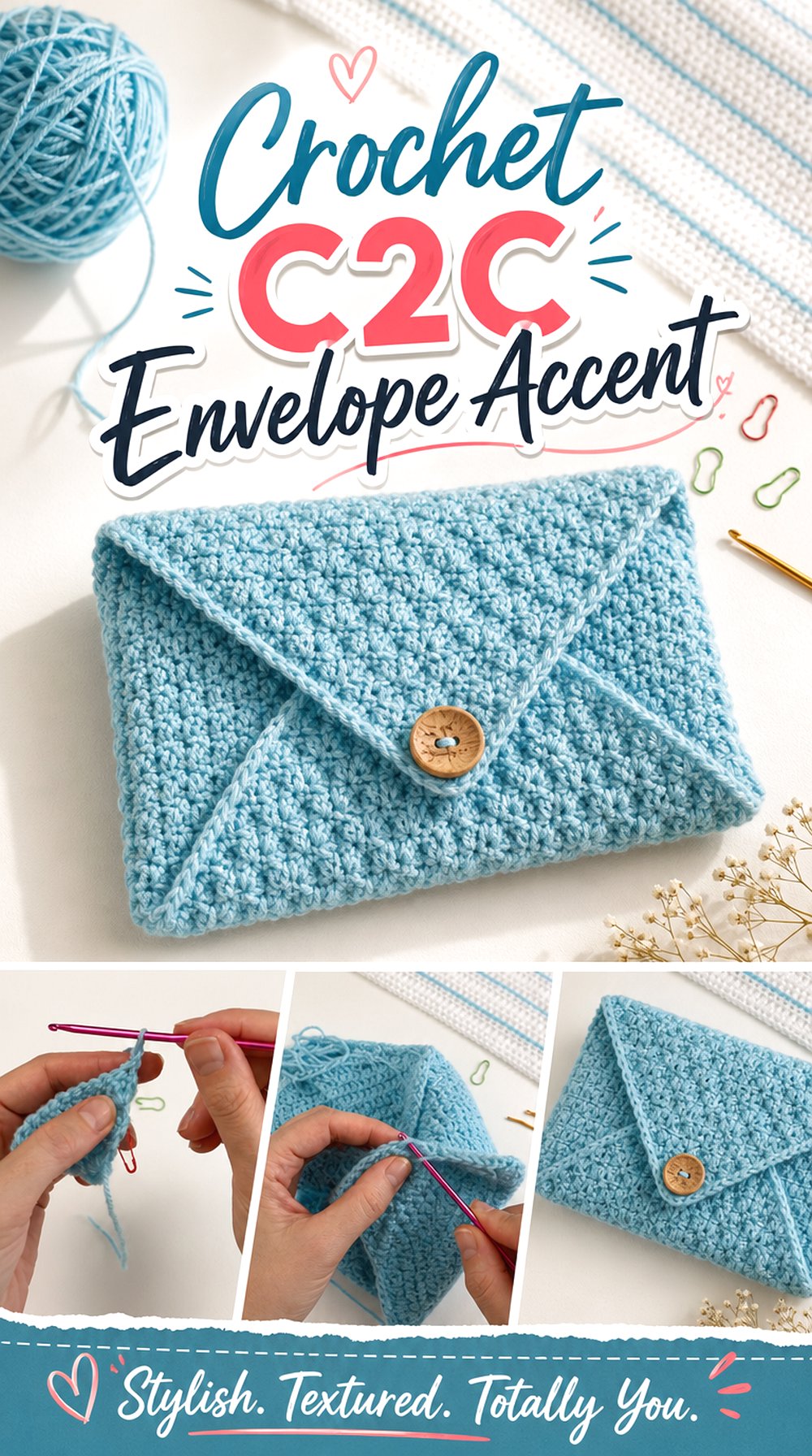
This C2C envelope project is a small decorative accent originally connected to a notebook paper blanket idea, but the creator notes it can be made for another purpose. The finished item gives readers a playful way to use C2C shaping outside of blankets, scarves, and kitchen pieces.
It is one of the most specific ideas in this list because it becomes a recognizable object rather than only a square or rectangle. Readers who like themed blankets, appliqués, or school-inspired crochet details may find it especially useful.
A Small Object Needs Clean Shaping
Because the envelope is meant to look like a recognizable item, the edges and proportions matter. A small accent leaves less room to hide uneven shaping. Readers should watch the finishing closely and compare the piece to the intended envelope shape as it develops.
Useful for Themed Projects
The source connects the envelope to a notebook paper blanket, but also mentions using it for another purpose. That makes it useful for themed crochet projects, classroom-inspired decor, or appliqué-style additions. Readers should plan where the envelope will be attached or displayed before choosing final colors.
Creator: Ophelia Talks Crochet
Choosing the Right Corner-to-Corner Project for Your Goal
For the simplest entry point, choose the coaster, washcloth, granny square, or classic blanket because the shapes are easier to understand before adding extra finishing decisions. For gifts or home display, the heart blanket, Nordic throw, pillow cover, placemat, and tulip graphgan panel give the finished item a clearer decorative purpose.
Wearable projects need more attention to fit, drape, and size, so the scarf, wrap, shawl, shawlette, hat set, and beanie should be chosen with measurements in mind. Bags add another layer of planning because openings, handles, straps, and structure affect how the finished piece can be used. The best choice is the one whose final shape matches how the reader actually plans to wear, display, carry, or use it.
Conclusion
These corner-to-corner crochet ideas show how one diagonal technique can lead to many different finished results. The blankets are best for readers who want a larger visual project, while the coaster, washcloth, placemat, and granny square are better for smaller practice pieces. The scarf, shawls, hat set, and beanie turn C2C into wearable fabric, and the bags, pillow, envelope, and graph panels show how useful the technique can be for shaped accents and home items.
Choose the project by final use first, then follow the original tutorials for the exact stitch counts, shaping, color placement, and finishing details.
FAQs
What is the easiest corner-to-corner crochet project to start with?
A small square project, such as a coaster, washcloth, or granny square, is usually the simplest place to begin because the shape is easier to manage. These projects let readers practice increasing, decreasing, turning, and edge control without committing to a large blanket or graph design.
Can C2C crochet be used for more than blankets?
Yes, these tutorials show C2C used for scarves, shawls, hats, bags, pillow covers, kitchen pieces, motifs, graph panels, and small accents. The key is choosing a project where the diagonal fabric makes sense for the finished shape, rather than assuming every C2C project has to become an afghan.
What should I check before making a C2C wearable?
For wearables, check the finished measurements, yarn information, fit notes, and how the item is shown on the body. A scarf or wrap is more flexible, but a hat or beanie needs closer sizing. If the source includes gauge or size information, review it before choosing supplies.
Are C2C graph projects harder than plain C2C projects?
Graph projects can be more demanding because the picture depends on color placement. A plain C2C blanket or coaster mainly teaches the diagonal structure, while a heart, tulip, or Nordic design asks readers to track color blocks more carefully. The original graph or tutorial should stay close while working.
Can I change the yarn for these C2C projects?
Yarn changes may affect size, drape, thickness, and how clearly the texture or image appears. This matters most for wearables, bags, pillow covers, and graph designs. Before substituting yarn, compare the creator’s material list with the yarn label and check whether the final measurements still fit the project goal.
Can finished items from YouTube C2C tutorials be sold?
Do not assume selling is allowed. Each creator may have different terms for finished items, pattern use, credit, or commercial sales. Readers who plan to sell should check the creator’s written permissions, video description, linked pattern terms, and any local business or labeling requirements before listing finished work.